
Hi everyone!
NAB is around the corner.
It is also a family member’s big birthday who is celebrating in Vegas this weekend so I will actually be in Vegas twice in 1 week, which sounds like overload. Pray for me.
If you’ll be in Vegas for NAB, here’s where/how to meet the Eddie AI team:
AI Agents for Video Editing: The Next Leap in Post Production Efficiency
📅 Sunday, April 19 | 2:10–2:30 p.m. 📍 W1143 Tech Chat TheaterMeet with us. Booth N1672, North Hall, NAB Show 2026 🗓 April 19–22, 2026
Schedule a 1:1 meet.
Party | Apr 20, Monday evening
Details are being finalized. Get invited by adding your name to the Eddie NAB2026 form and receive an email when we finalize this.
Separately, I was on a podcast today (it’ll be released next week) and I talked, in part, about a thought I’ve been chewing on for awhile. I wonder if a chunk of the fear of AI in the film/video world is actually rooted in how tough it is to create a sustainable career which feels fragile even at the best of times. That the hard fight to “make it” has instilled a worry in some that they could lose their place (entitlement?) on the ladder at any moment and if they do, they won’t be able to climb back up.
That struggle should make us tougher, hungrier!
Instead, a form of protectionism has developed (preserve how things are!). That worry has made some closed off to looking at AI with nuance and with new tech with optimism. (Aside: we all say “AI” as if we all know what each other means. We don’t. “AI” is a catch all for some for whatever is bad/scary.) A vocal minority is beholden by dogma to this AI thing.
It is a tool. It is amoral.
Get it working for you. So you’re liberated to bring your stories into reality. It is already hard as it is. If this brings down the barriers a bit so more people tell more and better stories, that’s a big win for you. And for the rest of us.
Enjoy today’s newsletter.
—Shamir
This week: India is producing AI mythology at a fifth of the cost and a fraction of the IMDb rating, Alamo Drafthouse workers went on strike over QR code ordering, Seedance 2.0 is spreading to platforms faster than the lawsuits can follow and Letterboxd becomes a distribution channel.
Render Reel
Alamo Drafthouse workers are striking over the switch from pen-and-paper ordering to QR codes during movies. Unionized staff at the Colorado location say the phone-based system has led to botched orders and more friction with guests. The strike started last Friday.
The US box office just posted its best first quarter since the pandemic $1.77 billion, narrowly beating 2023 and 22% ahead of last year’s dismal start. Project Hail Mary did $177 million in 11 days.
Movies are getting longer and it’s not your imagination. Wide releases now average 114 minutes, up from 106 in the 2000s. Action films average 128 minutes, which is 25 minutes longer than a few decades ago.
Rodeo FX opened a bigger Paris studio, bringing Mikros Animation under the same roof. 40,000 square feet near Canal Saint Martin, consolidating VFX and animation. The move was fueled by France’s 10% VFX bonus on top of its 30% international production rebate.
Letterboxd is partnering with Black Bear to bring its “Four Favorites” format to theaters nationwide. Co-branded installations at festivals and campus screenings tied to the release of Tuner. It’s the clearest signal yet that Letterboxd is evolving from a logging app into an actual distribution channel.
Netflix is searching for franchises after losing Warner Bros. The $700 million Roald Dahl deal hasn’t produced a hit in five years, The Electric State flopped at $320 million, and the company didn’t have KPop Demon Hunters toys ready when the film became its most-watched movie ever.
China’s iQIYI launched Nadou Pro - the country’s first AI agent built for professional film production. Script development, storyboarding, shot composition, and output in one platform. Academy Award-winning cinematographer Peter Pau is already using it and sixteen films made on the platform are already incoming.
Is the “creative producer” dead?

Our Substack read-of-the-week is Christine Ahanotu’s essay on the role of the “creative producer” in our ever-malleable production world. Worth reading if your job title has changed three times in five years and you’re not sure what to call yourself anymore.
Volumetric video is proving itself in live sports but cinema isn’t ready yet. Milano Cortina 2026 delivered near-cinematic quality replays and even A$AP Rocky shot an entire music video with it. But its use-case for narrative isn’t so certain yet.
India is rebuilding its film industry around AI, and nobody else is moving this fast
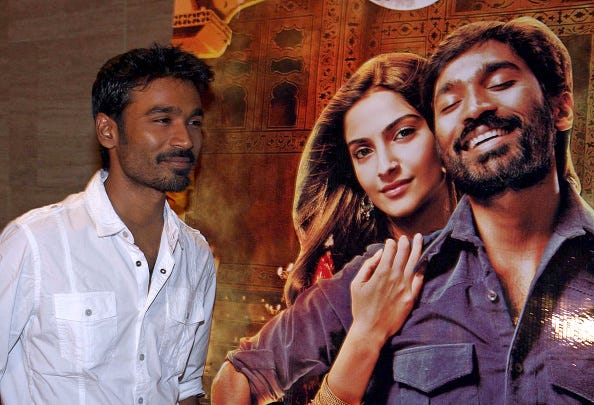
Collective Artists Network, one of Bollywood’s biggest talent agencies, set up an AI studio in Bengaluru that’s producing mythology content at a fifth of traditional costs.
Their AI-generated Mahabharat series on JioStar has pulled 26.5 million views but the IMDb rating of 1.4 suggests the audience is curious long before they’re actually convinced.
Meanwhile, Eros Media World, one of India’s oldest studios with a library of over 3,000 titles, used AI to give the 2013 hit Raanjhanaa a happier ending.
Lead actor Dhanush said it “stripped the film of its very soul.” Despite this, Eros is allegedly reviewing its entire catalogue for more AI-assisted adaptations.
The structural difference between Hollywood and Bollywood is important to note.
SAG-AFTRA requires consent before altering a performance whilst the DGA bars AI from creative decisions without the director.
Those protections don’t exist in India, which means studios can move fast.
Much faster.
AI adoption feels most promising with dubbing, especially with India’s 22 official languages. AI is currently able to adjust an actor’s face to match a new language which is solving a problem audiences have tolerated badly for decades.
Google, Microsoft, and NVIDIA are all investing heavily in Indian AI production infrastructure, which tells you where the global industry thinks the next wave of real-world data is coming from.
By the time Western studios decide what they think about AI in production, India will already have years of data on what works and what audiences actually accept.
Delkin Devices dropped a 1TB microSD card despite global memory shortage :195 MB/s read, 160 MB/s write, V30 rated for 4K recording. Designed for action cameras and mobile devices and with Sony pulling cards off shelves, now is not a bad time to stock up from whoever’s still shipping.
An April Fools’ post imagined what it would look like if OpenAI built a cinema camera instead of a video generator. The Square sensor, “Latent RAW” capture, prompt-assisted controls were all fake but nothing is 100% impossible tech-wise. Worth a read if you’re interested in where computational imaging might be heading.
This week we’re watching:
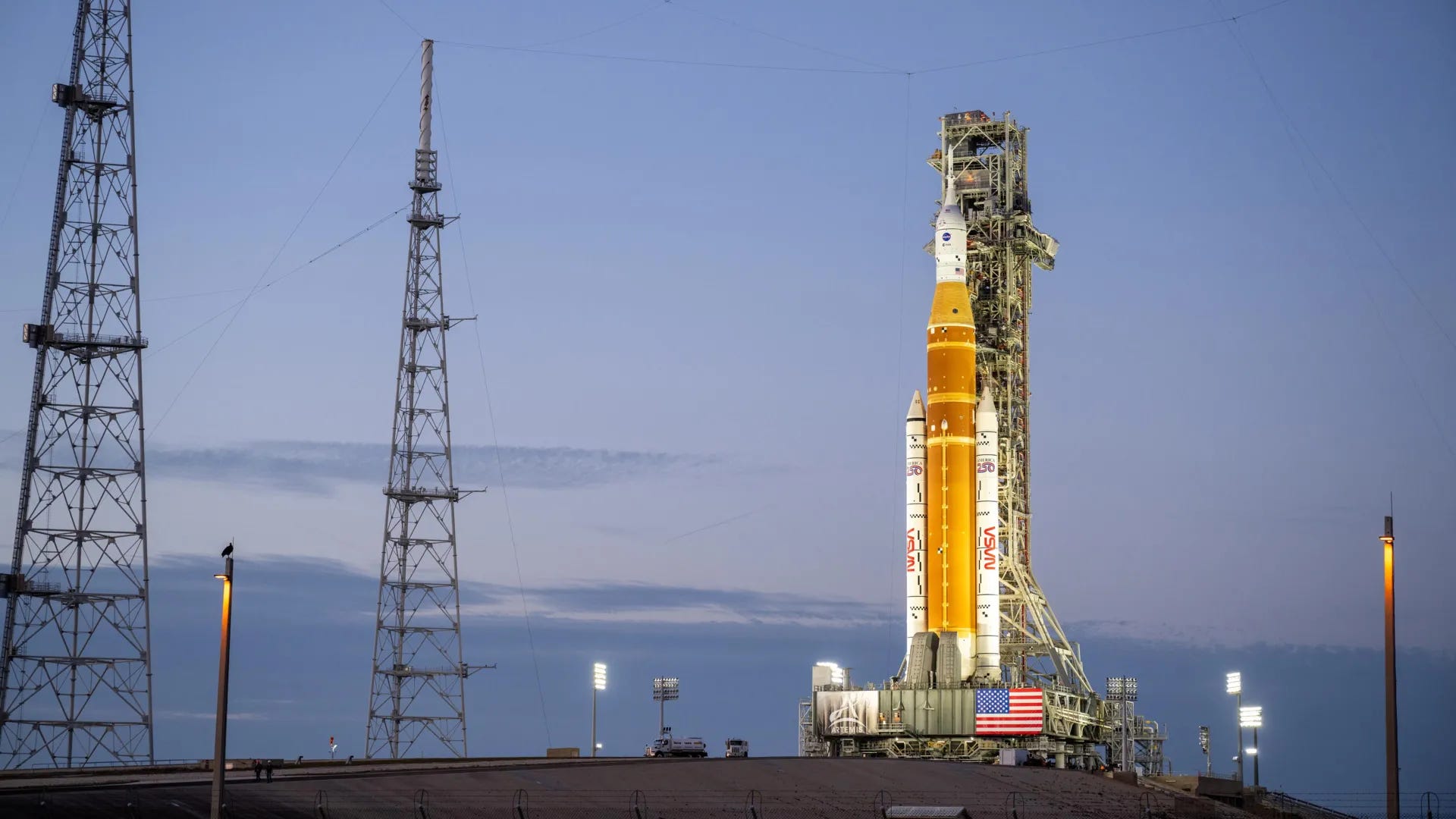
Artemis II.
The first crewed lunar mission in over 50 years and the footage coming back is stunning. Earthrise, a total solar eclipse from space and the Moon’s far side in detail nobody alive has seen in person.
The crew is transmitting it all back to Earth over the next four days across 400,000km of empty space.
And if you read our FFmpeg piece, you already know what compressing interplanetary footage is really like.
Retail Therapy: The home robot that watches your family so you don’t have to
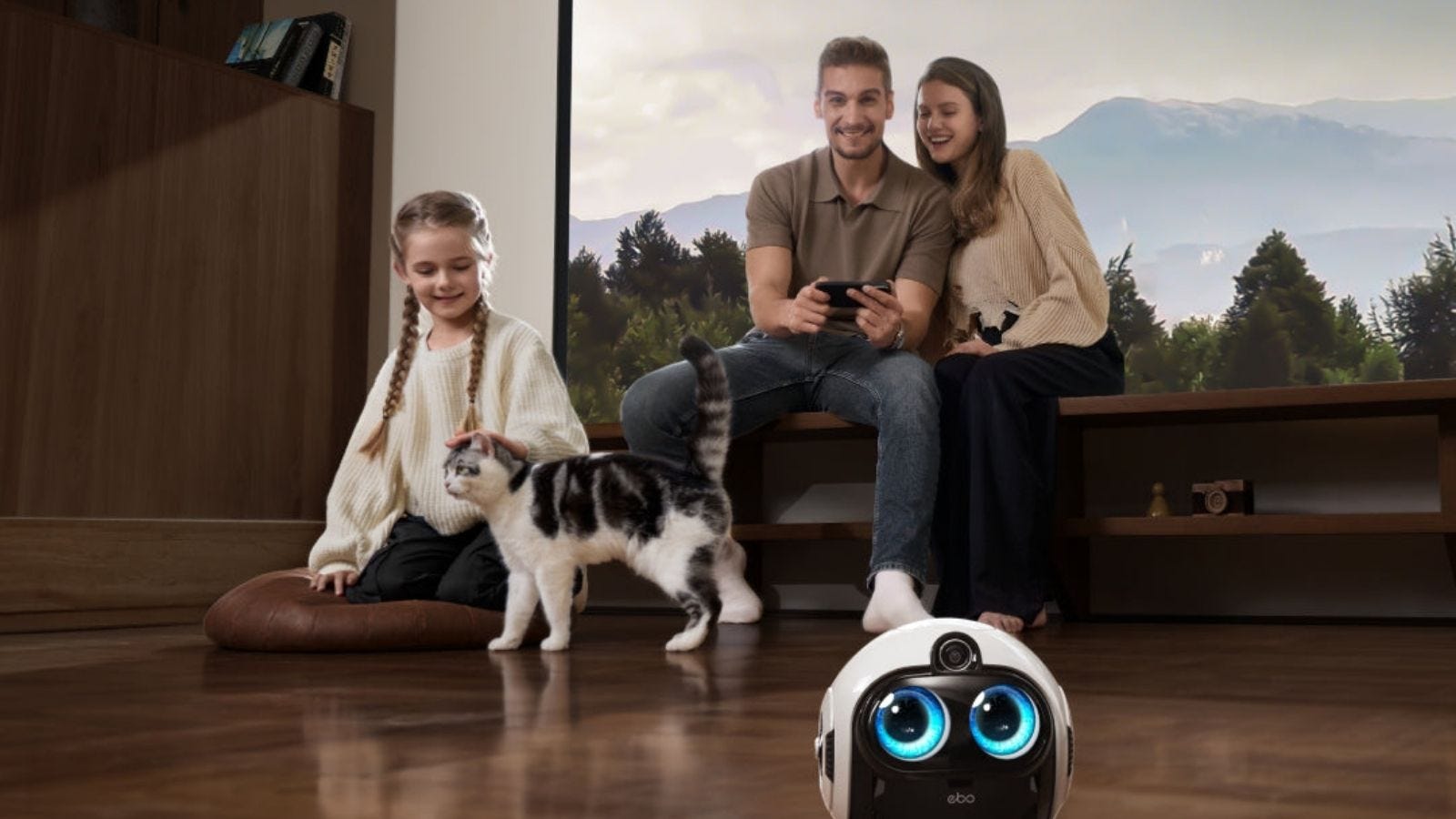
The Enabot EBO Max is a mobile home robot with a 4K camera that patrols your house, recognizes family members by face and voice, and lets you video call your living room from anywhere.
The real audience is anyone who’s ever been at work wondering if their dog is on the couch. The answer is yes, but now you can confirm it in 4K.
It’s yours for $529.