
Hi Everyone —
Hope your week is going stellar.
We at Eddie AI are hard at work on something I can not wait to share with you. Something I’ve been thinking about for years. It’s finally coming into reality. And I think it’ll make a meaningful difference for many of you. Stay tuned. :)
I was in a convo with a customer the other day and he was telling me how Eddie has increased his earnings. He hasn’t reduced his team size; he has given them more projects to complete. He hasn’t taken more vacations; he has taken on more clients and increased his company’s income.
I think about this dimension a lot. Of course you can say AI is a time-savings tool (or worse, job destroyer). But the better way to see it is it increases your leverage. It lets you do more and make more. Take on 10x more clients. Create 10x more films. Make 10x more, faster. (10x may seem exaggerated but it may, in fact, be an under-exaggeration.)
Keep making amazing.
—Shamir
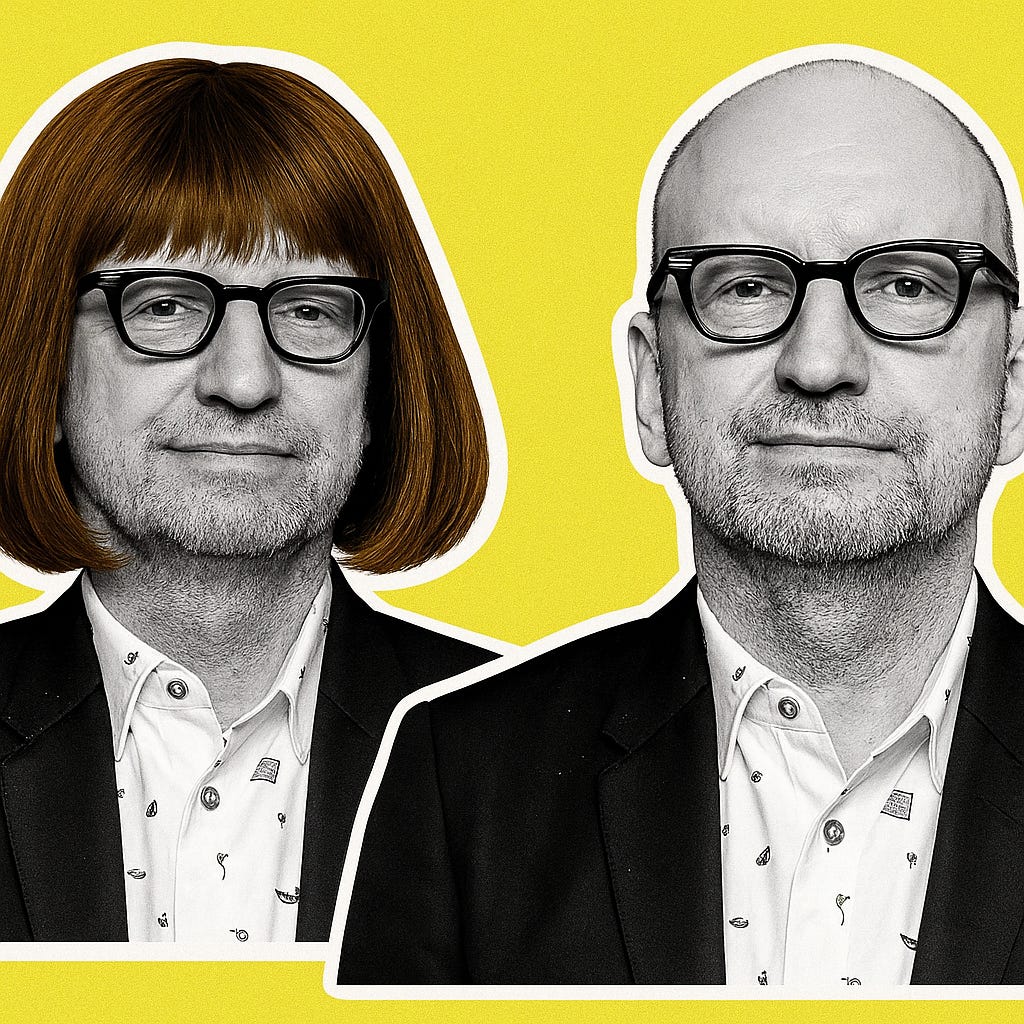
Steven Soderbergh sits in a strange spot in modern cinema: he’s both a Palme d’Or-winning director and the industry’s most persistent saboteur.
Instead of honing a signature style, he’s spent decades dismantling the very idea of one. An auteur with no markers. Stylishly “anti-style.
So this week, we’re looking at the system beneath the style: his post-2017 workflow, using High Flying Bird (via Vulture’s reporting) as the live case study.
Shot in 13 days on a ~$2M budget with iPhone 8 Plus cameras. The film isn’t interesting only because of the “shot on iPhone” gimmick. The real story is how Soderbergh collapses the walls between pre-production, production, and post. Under his aliases Peter Andrews (DP) and Mary Ann Bernard (editor), he runs a continuous feedback loop.
Shooting by day, cutting on the train ride home by night.
But to understand why he works like this now, you have to go back to where the obsession began.
Sex, Lies and editing on tape
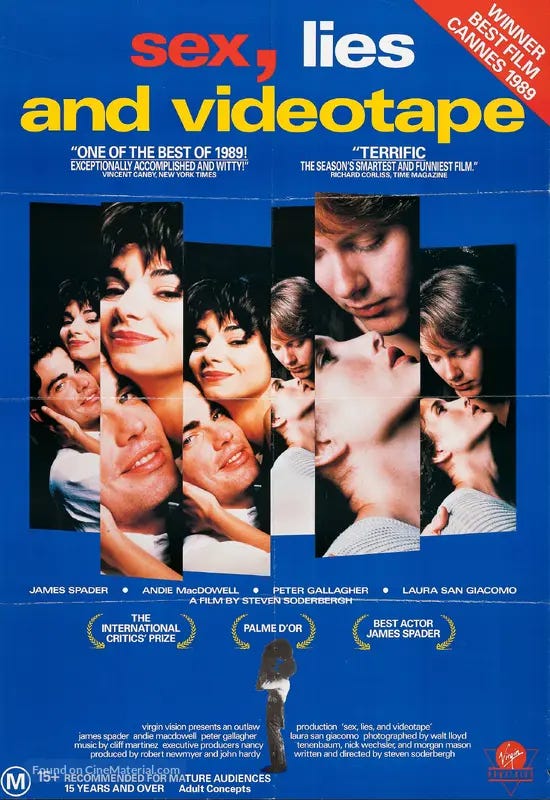
His fixation on editing started long before sex, lies, and videotape turned him into a Sundance star. In the early ’80s, straight out of high school, he took whatever editing gigs he could get which included a stint on the short-lived sports-competition series Games People Play.
Editing was the first craft that made sense to him and he’s been cutting his own features ever since: from the sweaty intimacy of sex, lies, and videotape to the elegant cool of the Ocean’s films to the precision-mad thrillers like Contagion and Haywire.
The pivot to his current hyper-efficient mode didn’t come out of nowhere. It started with Che in 2008, his first major digital production. Suddenly he could dive into dailies within hours of shooting.
By Contagion in 2011, the loop tightened even further: he was cutting complete scenes over dinner at the Peninsula Chicago bar.
Laurence Fishburne once pointed out how punishing Soderbergh’s routine seemed. Shooting for ten or eleven hours, then heading straight into an evening editing session.
But for Soderbergh, late-night cutting was the creative reward at the end of the grind.
By the time he reaches High Flying Bird (2019), all the habits, speed and muscle memory are already baked in.
Death to the village
On a typical studio film, directors exile themselves to the “video village,” a tent full of monitors and chairs that turns filmmaking into remote viewing.
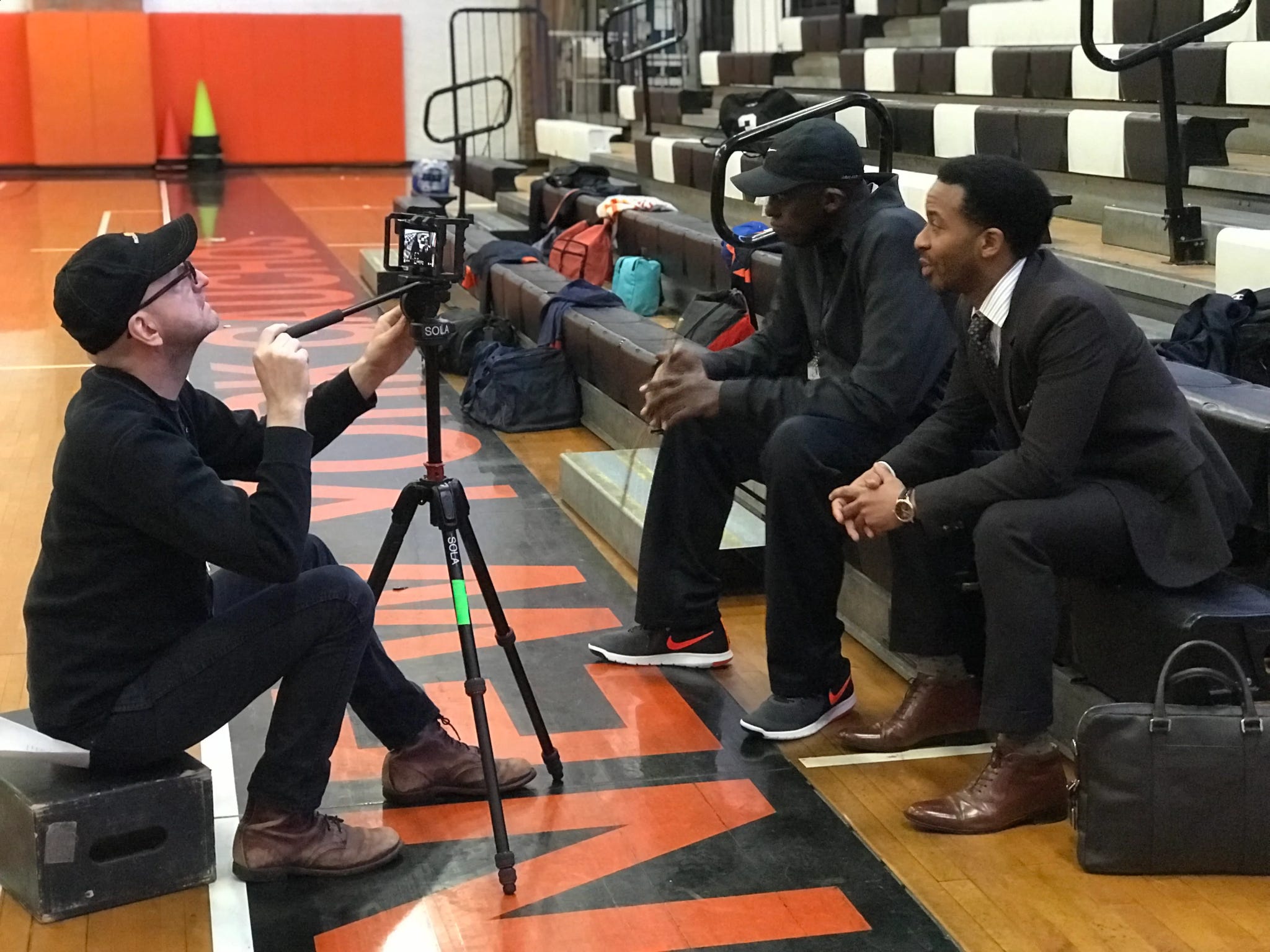
Soderbergh torches that whole ecosystem. On High Flying Bird, he held the camera himself. No operator. No DP to brief. No monitors to huddle around.
He was shoulder-to-shoulder with his stars, André Holland and Zazie Beetz, weaving through tight rooms and narrow hallways with them.
This meant his actors were playing to a human being a few inches away. If blocking felt off, he knew instantly because he’s inside the scene. He would adjust his position or cue the actor mid-moment.
With minimal lighting and near-zero reset time, the set never lost its pulse. Actors stay in flow; emotions don’t cool between takes and the machine keeps moving because the machine is small.
Soderbergh will admit one thing: he hates mornings. During High Flying Bird’s 13-day production sprint, he pushed sleep as far as the schedule allowed, rolling into set right before the 7:30 a.m. start.
Armed with three 256GB iPhone 8 Pluses fitted with Moondog Labs anamorphic lenses and running FiLMiC Pro, he captured only the moments he knew he’d use. The phones’ size made them a dream for improvisational blocking.
For the opening scene, he skipped traditional resets entirely by using two $14.95 Joby Mini Gorillapods, the “spiders,” as he calls them, planted back-to-back on the table. One covered one actor, the other covering other.
No cutting, no relighting, no turning the set around. He got both sides of the conversation simultaneously.
Trains and Timelines
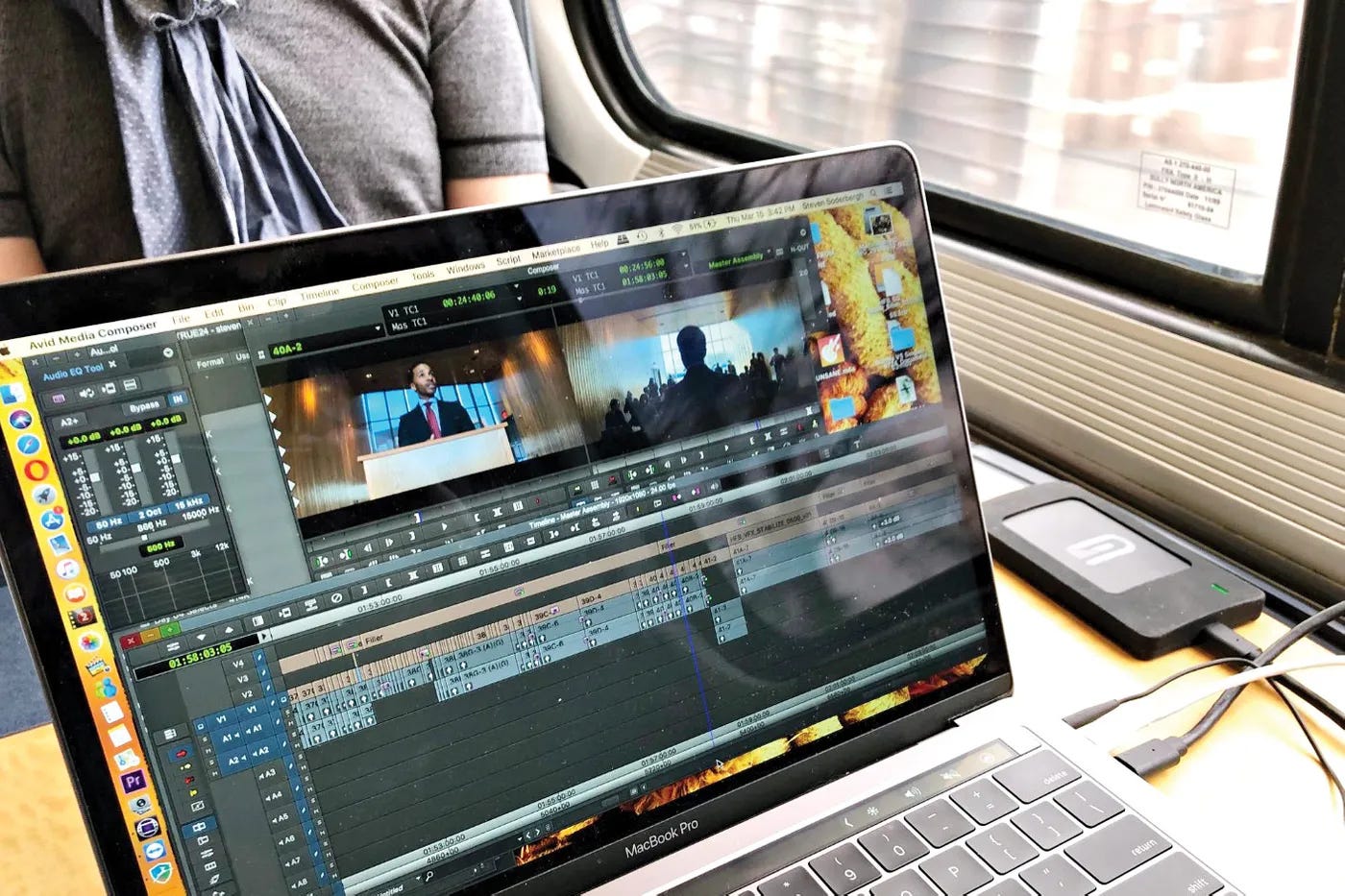
By the time High Flying Bird wrapped, Soderbergh reportedly had a near-finished assembly edit on his laptop within hours.
Soderbergh rejected that entire idea of shooting extensive coverage for safety because he would edit every night. Sometimes on the commute between locations meaning he knows exactly what the film already is.
Each day’s shoot is informed by yesterday’s cut.
By collapsing production and post into one continuous loop, Soderbergh sidesteps the paralysis that defines most digital filmmaking. The endless footage, the sprawling options, the weeks spent “finding” a film in a sea of coverage.
His answer is velocity. He edits as he goes, often in transit: trains, planes, hotel bars, anywhere with a seat and a power outlet.
This matters because it signals the real death of the post-house. What once demanded an Avid suite and a full crew of specialists now fits on a MacBook Pro running whatever NLE you prefer (Soderbergh himself still cuts on Avid).
Command+Z
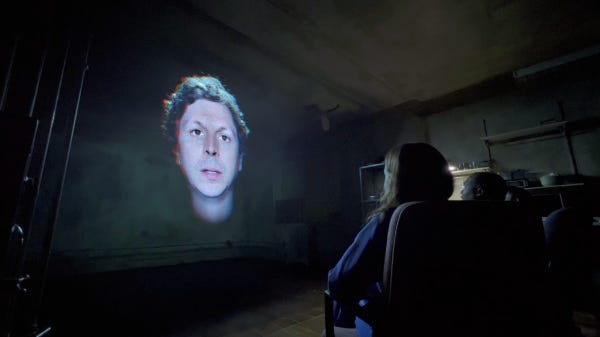
In 2023, Soderbergh hit one of his characteristic burst cycles.
The kind where three projects arrive in rapid succession and each one looks like it came from a different filmmaker. Full Circle landed on Max, and almost in the same breath he dropped Command Z on his Extension 765 site: a satirical, Schizopolis-flavored web series with Michael Cera playing the AI ghost of a Musk-like tech mogul who sends employees back in time to fix the world he helped break.
Yeah, that was the actual premise.
Sharp, weird, and the most overtly comedic thing he’d made since maybe Logan Lucky in 2017.
But the real insight came from how Command Z was built.
Soderbergh originally made it as a TikTok series. 18 videos shot and assembled, but he ultimately decided to scrap the whole thing. TikTok rewards content that hooks in seconds and repeats itself predictably but that’s not really Soderbergh’s MO.
Even the industry’s most adaptive disruptor knows when disruption becomes distortion.
Then came the more surprising break from routine: he didn’t edit Command Z himself. For the first time in over a decade, “Mary Ann Bernard” stepped aside. Soderbergh was finishing Magic Mike’s Last Dance and prepping Full Circle at the same time so he called documentary editor Francesca Kustra, whose work he’d admired while producing Eugene Jarecki’s The King, and handed her the keys.
It was triage. The same cold, practical calculus that underpins his entire workflow. When speed compresses the calendar beyond what one person can physically execute, you widen the system. You make the machine slightly bigger to keep it moving fast.
And that’s the throughline. Whether he’s cutting a feature on an Amtrak, shooting a $2M iPhone film in 13 days, or tossing 18 TikToks in the bin because they don’t earn their keep, Soderbergh’s process stays elastic, not ideological.
The Soderbergh Scale
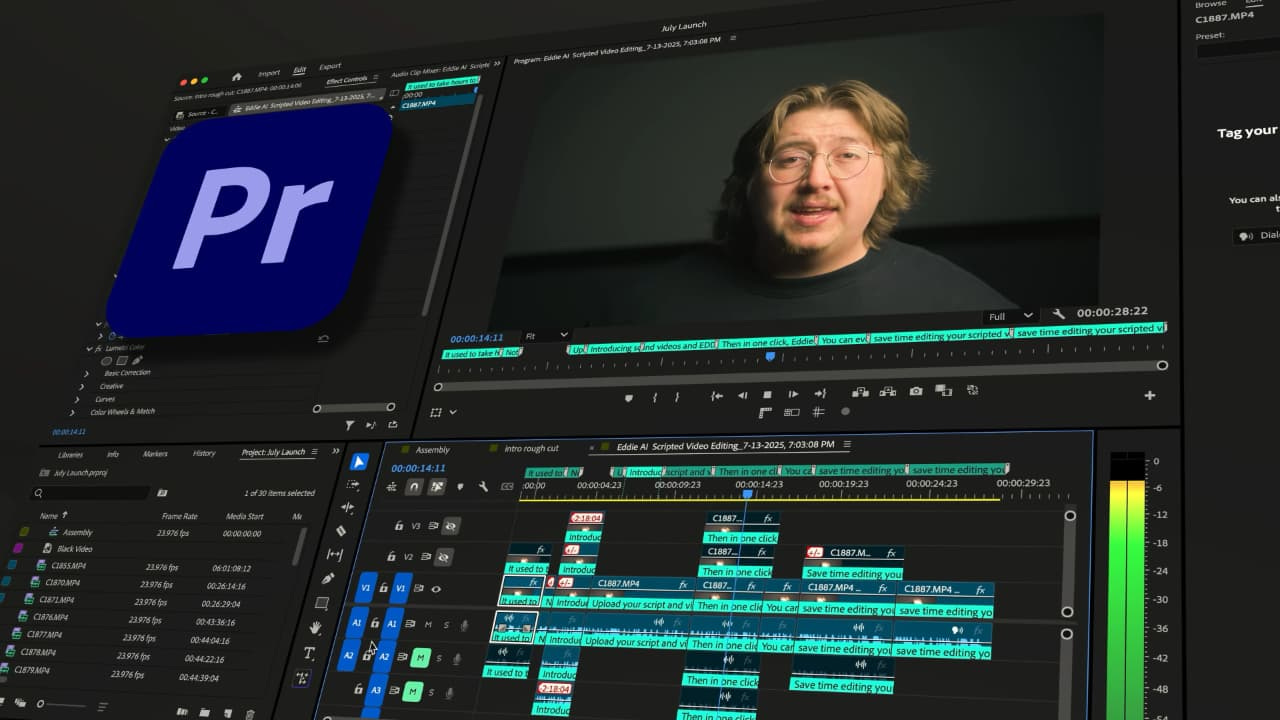
The irony here is: everything Soderbergh is doing at a studio level is what low-budget corporate, branded, and content crews have been forced to do for decades.
A collapsed workflow, shot lean. Edited on the fly. Keeping the machine small enough that one person can steer it.
The difference is scale.
When a Hollywood filmmaker embraces the same constraints and proves they increase creative control rather than diminish it, it reframes the entire ecosystem.
And that’s where modern tooling shifts the equation. What Soderbergh achieves through sheer discipline and muscle memory, today’s editors can replicate through workflows that automate the slow, thankless parts of the job.
Ingest, selects, transcripts, sync, rough assemblies. All the steps that used to swallow days can now be compressed into minutes.
The payoff is the same one Soderbergh chases:
a tighter loop, fewer bottlenecks, more creative time.
Everyone else can adopt the model and, increasingly, let the machinery handle the drudgery while they focus on the part he cares about most: the thinking.