
Hi everyone!
Hope you’ve had a great week. We’ve been busy prepping for Adobe MAX next week in Miami. Come by our booth and say hi, there’s a LOT of new stuff in Eddie v4:
Come meet Eddie AI at Adobe MAX 2026
📍 Miami Beach Convention Center
🗓 November 10–12, 2026
🎯 Booth 418
https://www.heyeddie.ai/blog/eddie-ai-at-adobe-max-2026
Also:
Check out the motion graphics templates which you can easily make your own.
Check out tools, tactical functions to solve a specific editing task.
Also this week:
Elsewhere, Rian Johnson launches a camera app, Sony unveils an $80K sensor and a forgotten Leica prototype turns up at Goodwill and Instagram is paying YouTubers bank to make longer videos.
Render reel
Rian Johnson now has his own iPhone camera app. It’s called Chromagraph and it costs $13. His DP Steve Yedlin built it, swapping Apple’s image processing for the colour pipeline the two of them use on their films, including Knives Out. For now it only shoots stills.
Sony made an $80,000 sensor for its $60,000 cinema camera. The RIALTO 65 is a 9.6K, 65mm-class sensor head that plugs into a VENICE 2. The head can be separated from the camera body, so it fits into tight spaces where a full camera wouldn’t. The sensor is more than twice the size of full-frame. The lens mount costs extra.
Instagram offers YouTubers up to $500,000 to make longer videos. It’s Meta’s attempt to fill the new 90-minute widescreen format we covered last week with creators who already have audiences. Turns out the quickest way to build a YouTube competitor is to pay YouTube’s creators.
Adobe puts Universal and Warner music in Premiere Mobile. You’ll soon be able to drop up to 60 seconds of a major-label track straight into your timeline. The license only covers personal use though.
Cate Blanchett’s Displacement Film Fund finds a home at The New Yorker. Its first five shorts premiered at Rotterdam this year. From November 9, the magazine will release one a week on its website and YouTube channel.
Goodwill accidentally listed a Leica prototype like any other used lens. It’s a Leica/Hughes Leitz 17mm f/2, a 26-pound fisheye. Collectors thought only one existed until this second copy turned up at a Goodwill in Sioux Falls. The first sold for $47,200 in 2021. This one was at $3,008 just before Oct 30th, and the listing said, “We are not experts.” Clearly.
Levi’s built an entire horror film by hand. For a Christmas jumper.
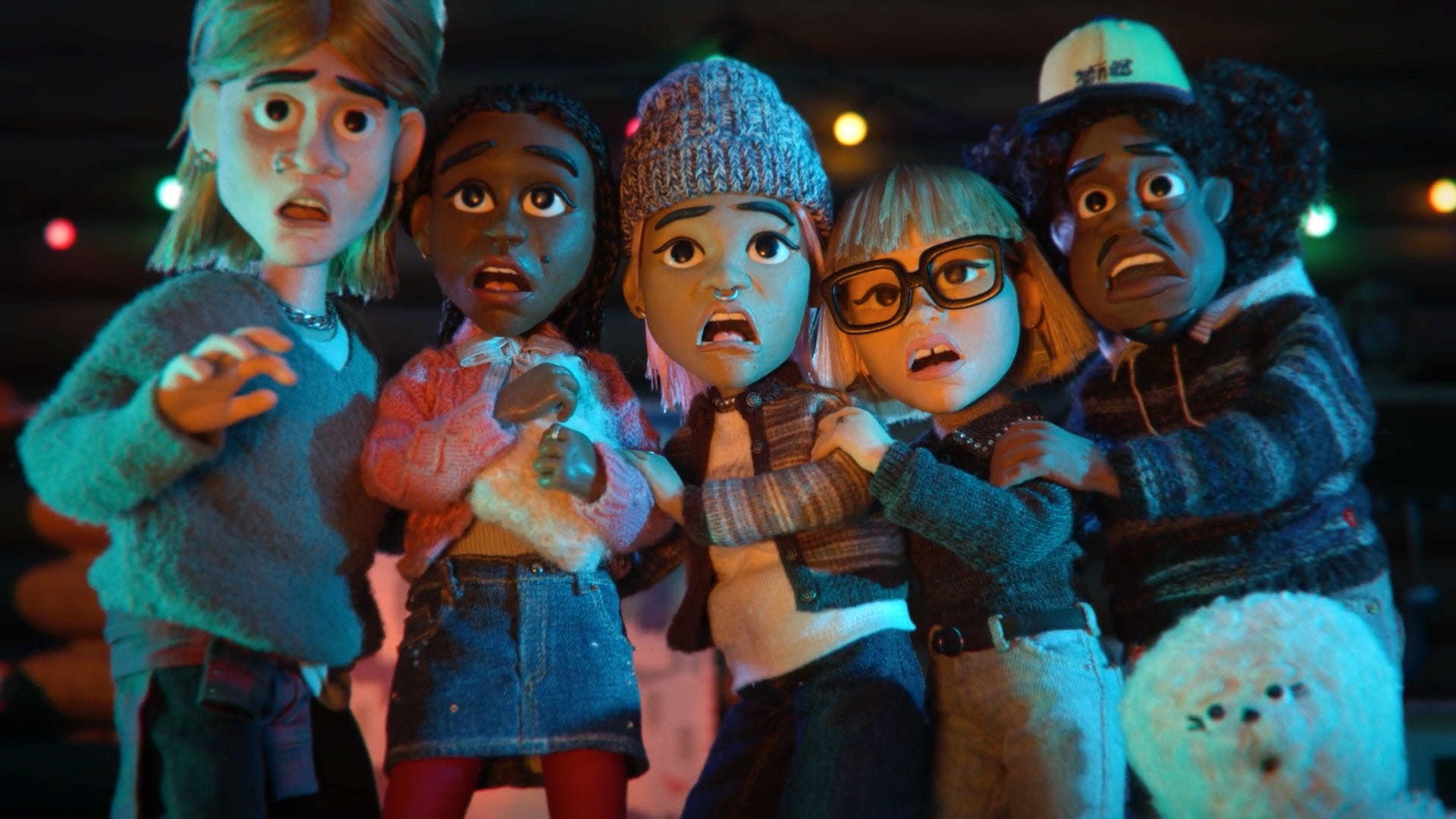
Levi’s Christmas ad is a stop-motion horror comedy about a group of people hiding in a cabin from a Yeti with a thing for knitwear.
It’s called Let’s Get Fuzzy, and Stevie Gee and Essy May directed it through London’s Blinkink.
The numbers are absurd.
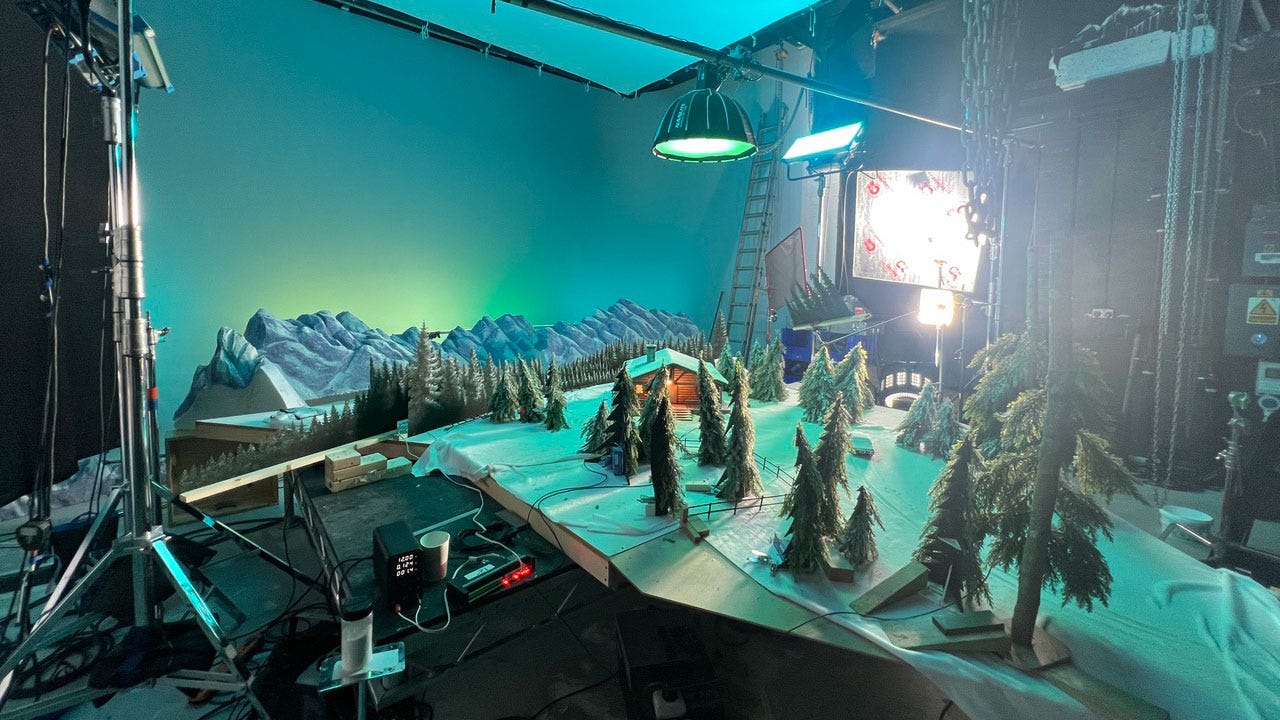
The team built 400 handmade trees and three miniature cabins, the cabins at different scales for wide shots and close-ups. Six people spent six and a half weeks and more than 2,000 hours on the sets, for a film that runs barely two minutes.
Even the puppets’ tiny clothes had to move frame by frame. Everything existed in the real world, down to each tree.
It took apparently 14 scripts to land on the idea. I’d love to have seen the other 13.
The best decision came later; making the animation less perfect on purpose. Animator Andy Biddle used a technique called boiling which meant nudging clothing and hair between frames to create tiny inconsistencies.
Animators normally work hard to get rid of that flicker but here it makes the characters look fuzzy and restless, which is the whole point.
Watch the film and making-of on Stash
Meanwhile, in animation
A Porsche ad was painted over and over again. British animator Em Cooper made The Long Way to “I Do” with Tonic DNA. It tells the story of a couple who restored a 1966 Porsche and drove it from LA to San Fran to get married. Cooper animates by painting over a single oil painting again and again, so each frame destroys the one before it. A very literal way of showing how memories blur into each other.
A Mexican stop-motion short turned corn husks into monsters. In Cecilia Andalón Delgadillo’s Dolores, a child goes down into a tomb under a cornfield and finds it full of creatures made from the crop above. The film took two and a half years to make, and one 360-degree shot took a week to animate on its own. After more than 80 festival selections, you can finally watch it online.
Archive watch
The BFI paid for three new 35mm prints of Billy Wilder classics. Double Indemnity screened at BFI Southbank on November 4, and Sunset Boulevard and Some Like It Hot follow later this month. The Keep Film on Film campaign and the National Lottery funded them.
Cut of the Week: Curry Barker, Mama Bear
Barker has had a big year.
Obsession became the biggest breakout horror hit since Paranormal Activity, so of course he has more Hollywood projects lined up.
Naturally, he’s back on YouTube making five-minute films.
Mama Bear is a new horror short that Barker wrote, directed and edited for his channel, That’s a Bad Idea.
YouTube used to be where you started, and you left once Hollywood called but Barker seems to have skipped the leaving part and I respect that.
Another cut: Zach King, Early-Cinema Stunts
Zach King remade five stunts from the silent era using only the tricks that existed at the time.
He’s spent years doing in-camera illusions online, so this is him going back to where that craft originally started.
King’s versions are safe in comparison to what Buster Keaton and Charlie Chaplin were doing but this films like a full circle moment
Retail Therapy: The robot head that remembers your birthday
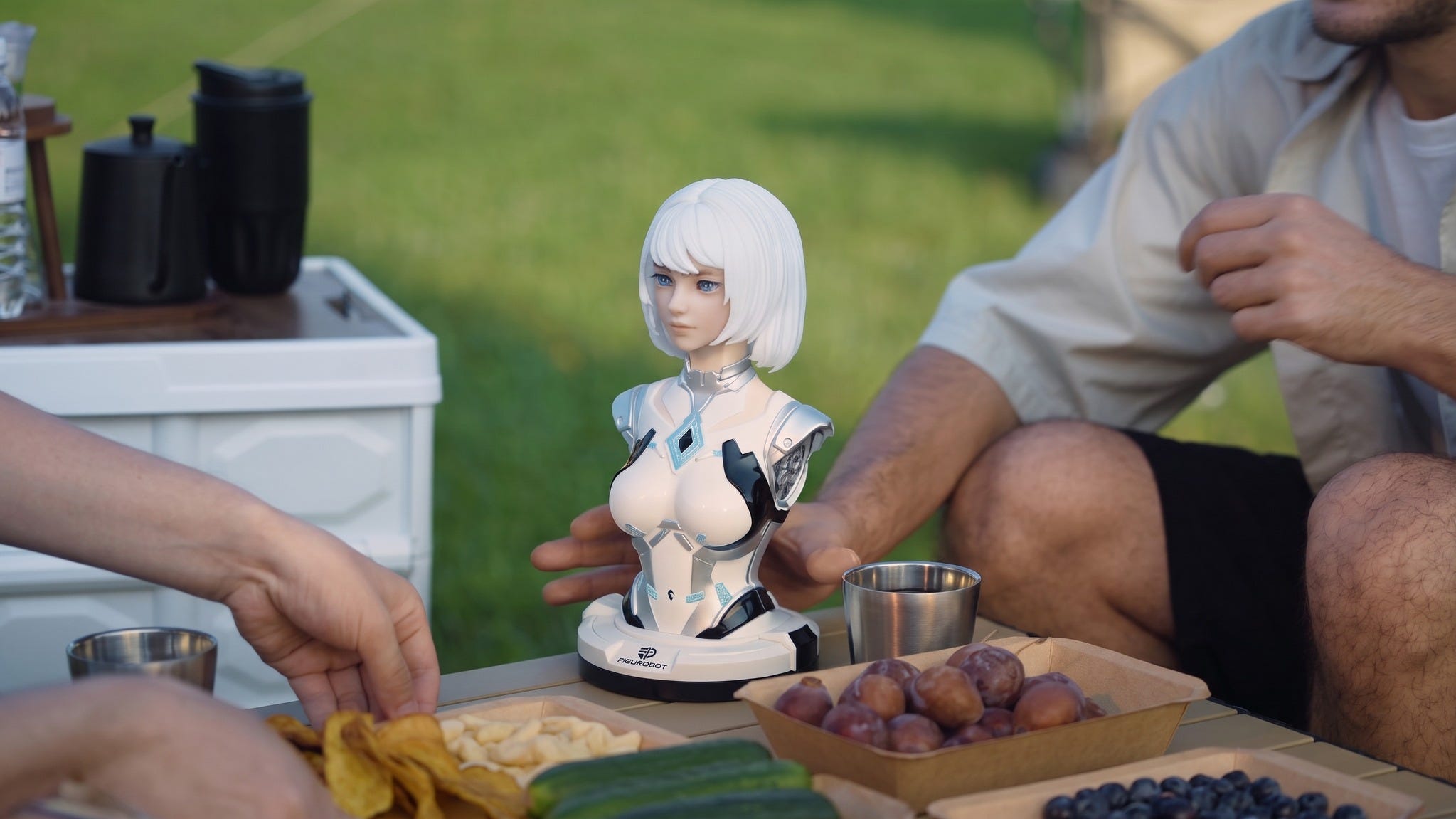
FR-NIA is an 11-inch robot companion from Figurobot with a silicone face that can remember your past chats and even your birthday.
Essentially animatronics shrunk down to fit in your bag.
Whether you want a face in your bag that remembers you is a whole other question.
You can pre-order for $599 here.