
Hi everyone!
Today’s lead story — free Adobe-replica software — has been long obvious as an outcome to me. It is, in fact, partly why we didn’t build yet another NLE “powered by AI”. Video editing software is headed to $0. DaVinci Resolve already went there years ago before you could prompt LLMs to code. CapCut is basically free and I am sure IG Edits is too, though I haven’t checked.
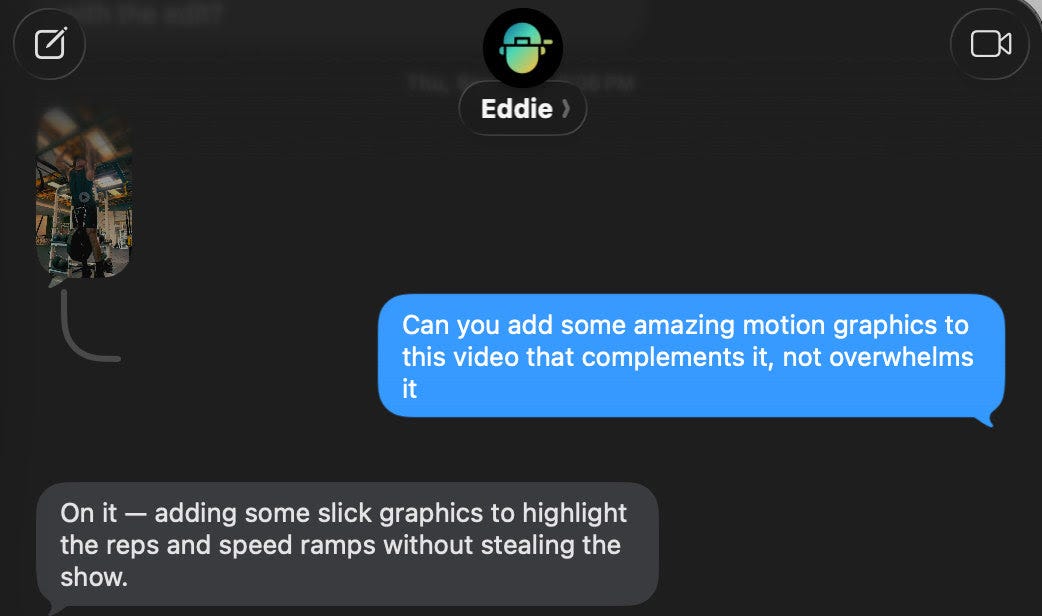
We, of course, built a teammate for post teams. It happens to be AI (or an “agent” as they say). It doesn’t sleep. It is proactive. It is deeply specialized in the myriad tools and workflows that pros know and use and love and hate.
Squint at Eddie and you see kernels of and even inspo from Muse, Dots, and OpenClaw. (I am loving Muse these days btw!!)
Text/iMessage Eddie and say hi: +1 650 444-9211
Start with videos from your photo library of that family reunion or your kid’s soccer game and ask Eddie to do an edit or even jazz it up.
Play, be curious, have fun. It is an incredible time to be alive.
Have a great weekend.
Shamir
Also this week
The Emmys leave broadcast TV after 78 years, Google opens its AI detector to everyone and an AI-generated feature starts an Oscar campaign.
Render reel
Paramount and Warner Bros are officially one company. Skydance completed the $110 billion takeover this week, putting CBS, CNN, HBO and DC under David Ellison. The new company arrives with roughly $80 billion in debt and a promise of $6 billion in savings.
The Emmys are leaving broadcast television. From 2027, Amazon will stream the ceremony globally on Prime Video under a six-year deal, free even without Prime. The Oscars move to YouTube in 2029 and the SAG Awards are already on Netflix so it seems awards shows are leaving television one at a time.
The BBC and Channel 4 are discussing joining bits of themselves together. One proposal would fold Channel 4’s ad sales and streaming, along with E4 and Film4, into a venture with BBC-owned UKTV. Nobody is proposing a merger of the main channels yet.
Google’s AI detector is now open to everyone. Upload an image, video or audio file and SynthID Detector checks it for an invisible AI watermark. Google say they’ve marked more than 180 billion images and videos already.
Letterboxd users try buy Letterboxd. The Letterboxd4All campaign wants users and outside investors to make a community-owned bid while A24, Sony and The New York Times circle at a reported $300m valuation.
One developer, seven Adobe clones
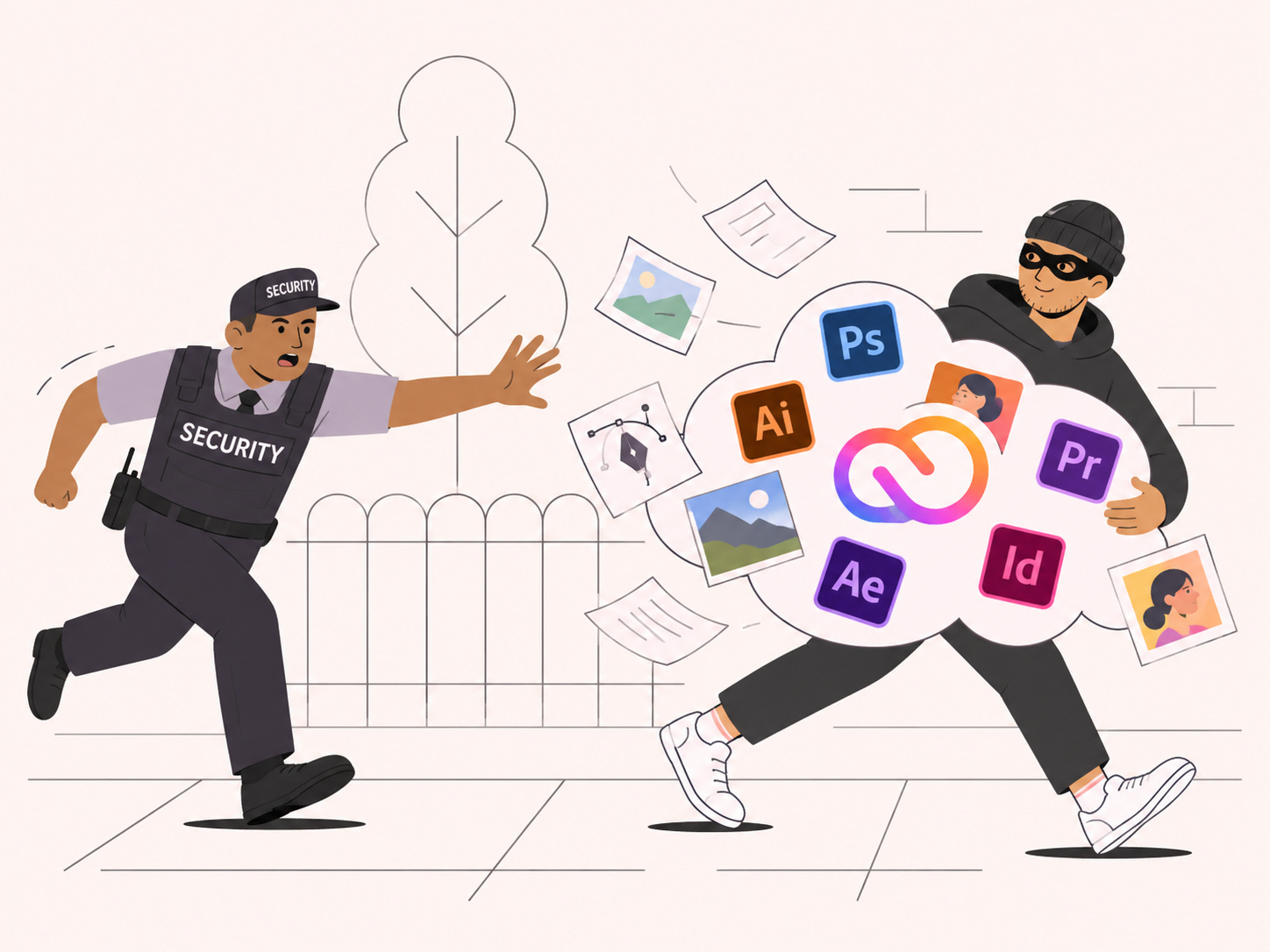
Software engineer Brandon Thomas apparently has a grudge against Adobe.
He says the company charged him its cancellation fee more than once, and he’s hated it ever since.
Most people with that kind of grudge switch to DaVinci Resolve but instead Thomas rebuilt Creative Cloud.
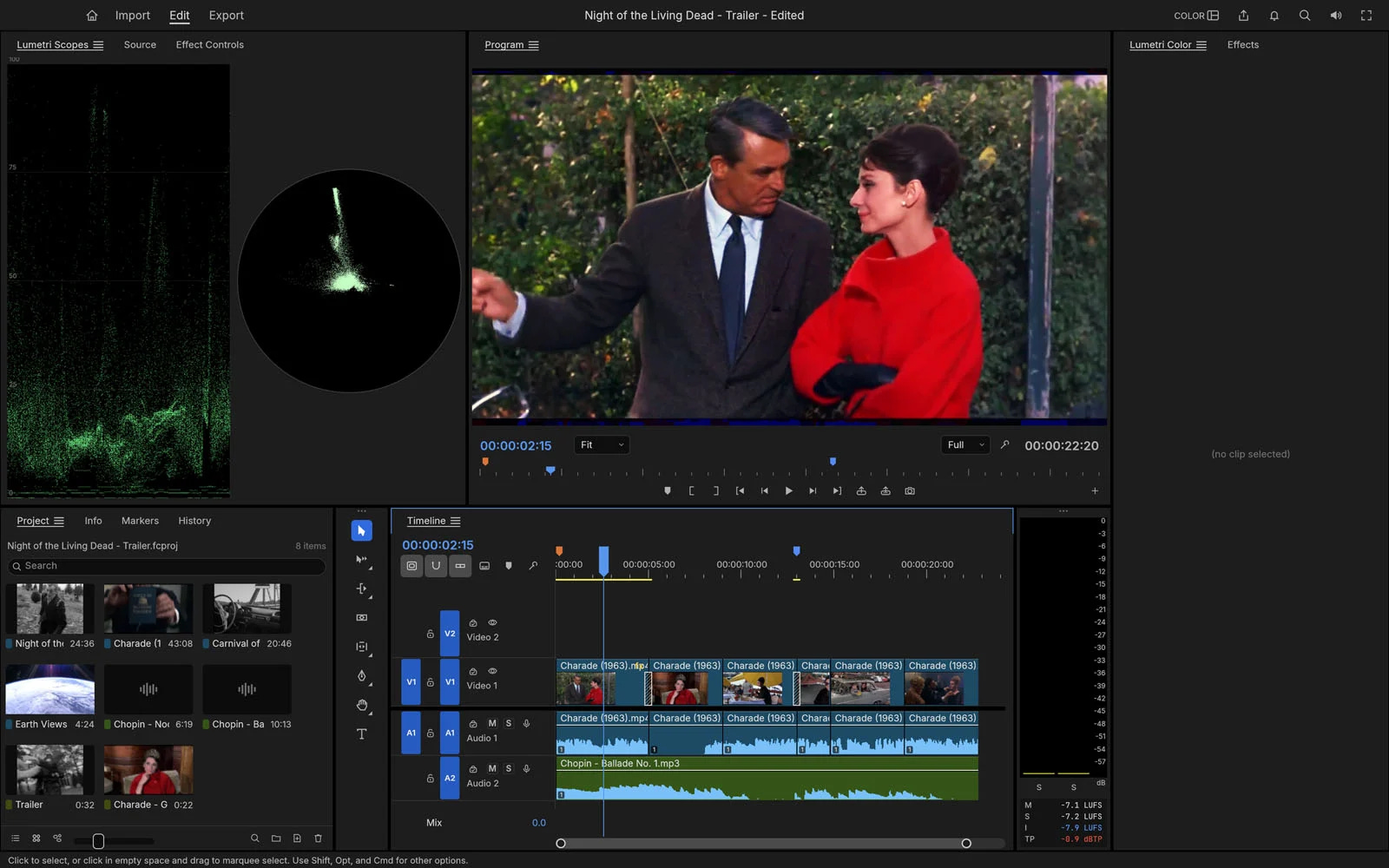
ArtCraft is a free, open-source set of apps modelled on seven Adobe products, including Photoshop, Premiere and Lightroom. They run on macOS and Windows, and also on Linux, which Adobe doesn’t support.
He tried announcing it on r/Adobe, where the post of course did not last long.
He built the apps in Rust using Anthropic’s Claude Opus 5.5, and he wants it known that he is “not a casual vibe coder”. He’s a 15-year engineering vet who used to work at Square, with about a decade of Rust behind him.
The apps are in alpha and Thomas says he’ll reach full feature parity with Adobe within a month. Hmmm.
Two things stand in the way and the first is legal. Thomas calls the project a clean-room reimplementation, meaning it recreates what the software does without touching Adobe’s code.
That may handle copyright but it doesn’t handle patents, and Adobe holds thousands of them.
The second is trust. Looking like Premiere is a long way from surviving a feature-length documentary with a deadline tomorrow morning.
It also obviously can’t offer anywhere near the level of support software like Adobe can.
Oh and it also isn’t entirely free.
The apps cost nothing, but ArtCraft sells credits for the generative AI tools inside them so even the anti-subscription suite has a subscription.
An AI-generated feature is going for an Oscar. Zack London, AKA Gossip Goblin, is taking Gods Don’t Give Gifts into cinemas on December 4 and plans to submit it for Best Animated Feature. The production still employed roughly 30 humans though.
Streaming services keep quietly deleting films, so one indie producer is selling discs instead. James Belfer, founder of the animation studio Cartuna, has launched a home video label called Video Visions, and its store is open for pre-orders. The line-up includes Grace Glowicki’s Dead Lover, about a gravedigger trying to resurrect her drowned boyfriend, which ships with a Stink-O-Vision card.
A cult Indian film has been rebuilt from damaged 16mm. Pradip Krishen’s In Which Annie Gives It Those Ones, written by and starring Arundhati Roy, has a new 4K restoration from Film Heritage Foundation. The surviving camera negative was faded, so a 35mm release print filled in what was missing.
Cut of the Week: Pixar, Fruit & Nut
Pixar put a new short on YouTube called Fruit & Nut. It’s about a lonely nut and a seductive strawberry on the run, which is not a sentence I expected to type about Pixar.
It’s out under a “Pixar Artist Short Film” banner, which seems to be where the SparkShorts-style experiments live now.
The most interesting thing about it is how rudimentary the animation is. It barely looks like Pixar at all.
Retail Therapy: The digital camera that makes you wait
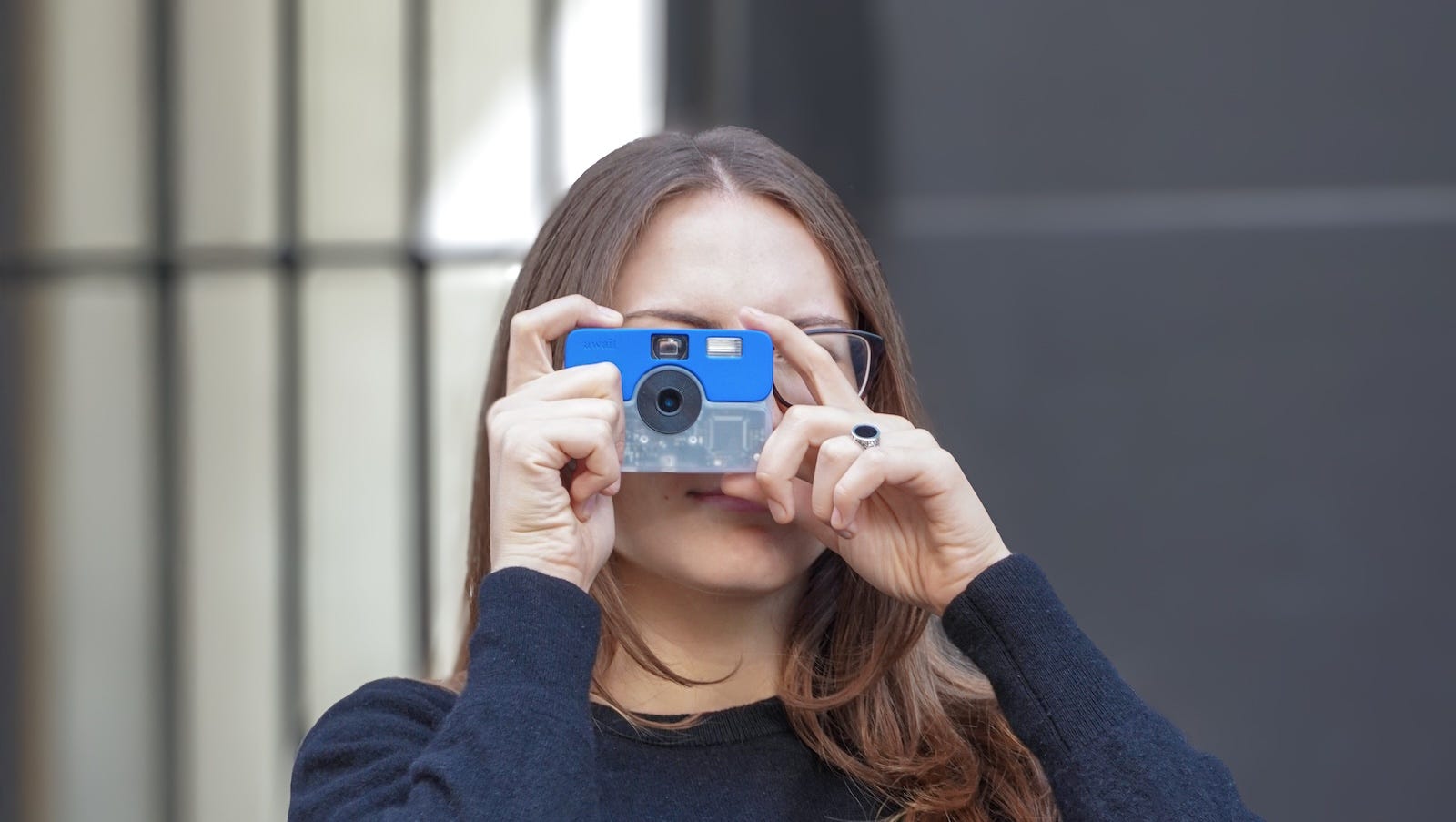
Await is a pocket camera from Rolling Square that shoots digital “rolls” of 24 frames.
You can’t see a single photo until you develop the roll in the app, and the only thing the screen tells you is how many frames are left.
It has a real xenon flash, so party photos look like party photos. You can also have each roll printed and posted to you.
Check it out here.