
Hi everyone!
Hope you made meaningful progress this month…completed an edit, won a client contract, or made something and shared it. Keep creating.
We’re at NAB in Las Vegas
Come hang with us at our booth: N1672, North Hall
See a live demo: Apr 19, 2:10 | W1143 Tech Chat Theater: AI Agents for Video Editing
Book a 1:1 meeting
If you didn’t read Part 1 of our long form article last week, check it out:

March Madness of Eddie AI Updates
Eddie’s updates this month can be read them here.
TL;DR: Eddie is better, faster for video pros who want a teammate to turn raw footage to an assembly for docu-style, scripted, and podcast edits. And of course it works with Premiere, Resolve, and FCP. (Wait, but what about Avid? This question has come up three times today!! 🙃)
Enjoy today’s newsletter.
— Shamir, CEO / Co-founder, Eddie AI
This week:
Sony pulled nearly every memory card it makes off the market because AI datacenters are buying all the NAND flash, Apple discontinued the Mac Pro with no replacement, a C-3PO head sold for a million dollars, and DNG just became an international standard 22 years after someone asked Adobe if they could just make a RAW format.
Render Reel
DOP biopic? Feature about James Wong Howe is in development: the two-time Oscar-winning cinematographer who started as a slate boy for Cecil B. DeMille, invented the crab dolly, and couldn’t become a US citizen until 1943 because of the Chinese Exclusion Act…..is finally getting his own film.
Apple killed the Mac Pro with no plans for a replacement. The $6,999 tower hasn’t been updated since 2023 and the Mac Studio has been doing its job for less money.
A C-3PO head from Empire Strikes Back sold for $1.05 million at auction. Tom Hanks’ Wilson volleyball went for $189K. A Golden Ticket from Willy Wonka fetched $107K. The Ace Ventura rhino birth prop sold for $60K, which means someone is displaying a mechanical rhino butt in their home and paid handsomely for it.
Sony suspends memory card sales
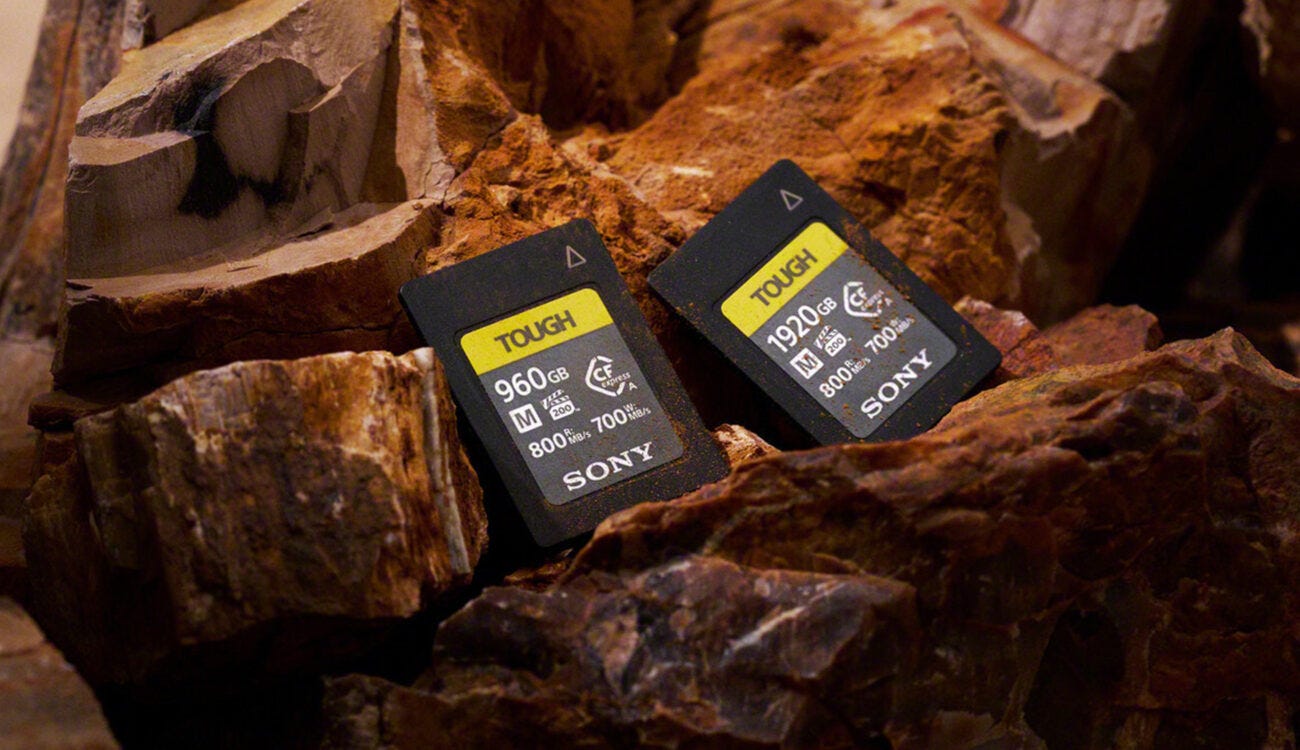
CFexpress Type A, Type B, and most SD cards, all pulled from the market with no timeline for return. The global demand for NAND flash has outpaced supply, driven largely by the massive buildout of AI infrastructure.
When every major tech company is scaling compute at the same time, the components that go into memory cards are the same ones going into data centers and right now, data centers are winning the bidding war.
It’s a growing-pains problem, not a permanent one.
The semiconductor industry has historically cycled through shortages and corrections, and manufacturing capacity will eventually catch up. In the meantime, third-party card manufacturers like Angelbird and ProGrade are still shipping across all formats.
If you have a shoot coming up on any Sony camera, it’s worth ordering cards now rather than the week before. I even recently tried buying a Sandisk SSD that is now retailing at nearly double the price.
The shortage is real, but it’s the kind of supply-chain bottleneck that tends to resolve once production scales to meet demand.
The Ouray Film Sabbatical is a fully funded residency for filmmakers in the Colorado Rockies: Less a film lab, more a creative retreat with mentorship, mountain air, and a 1902 Victorian house. Applications for 2027 are worth a look if you imagine you’ll be between projects and/or running on fumes.
Runway hosted AI Summit on March 31 in New York. Kathleen Kennedy, NVIDIA, Adobe, Paramount, EA, and Spotify on the speaker list. One day, $350, and a lineup that’s less hype-cycle and more operational: how studios are actually integrating generative tools into existing workflows.
Alan Cumming, Bowen Yang, and Lena Waithe launched the Necessary Foundation: a nonprofit giving $20K grants to early-career LGBTQ+ filmmakers as studios pull back on DEI. GLAAD’s latest report found that 37% of LGBTQ characters in major studio films appeared on screen for less than a minute.
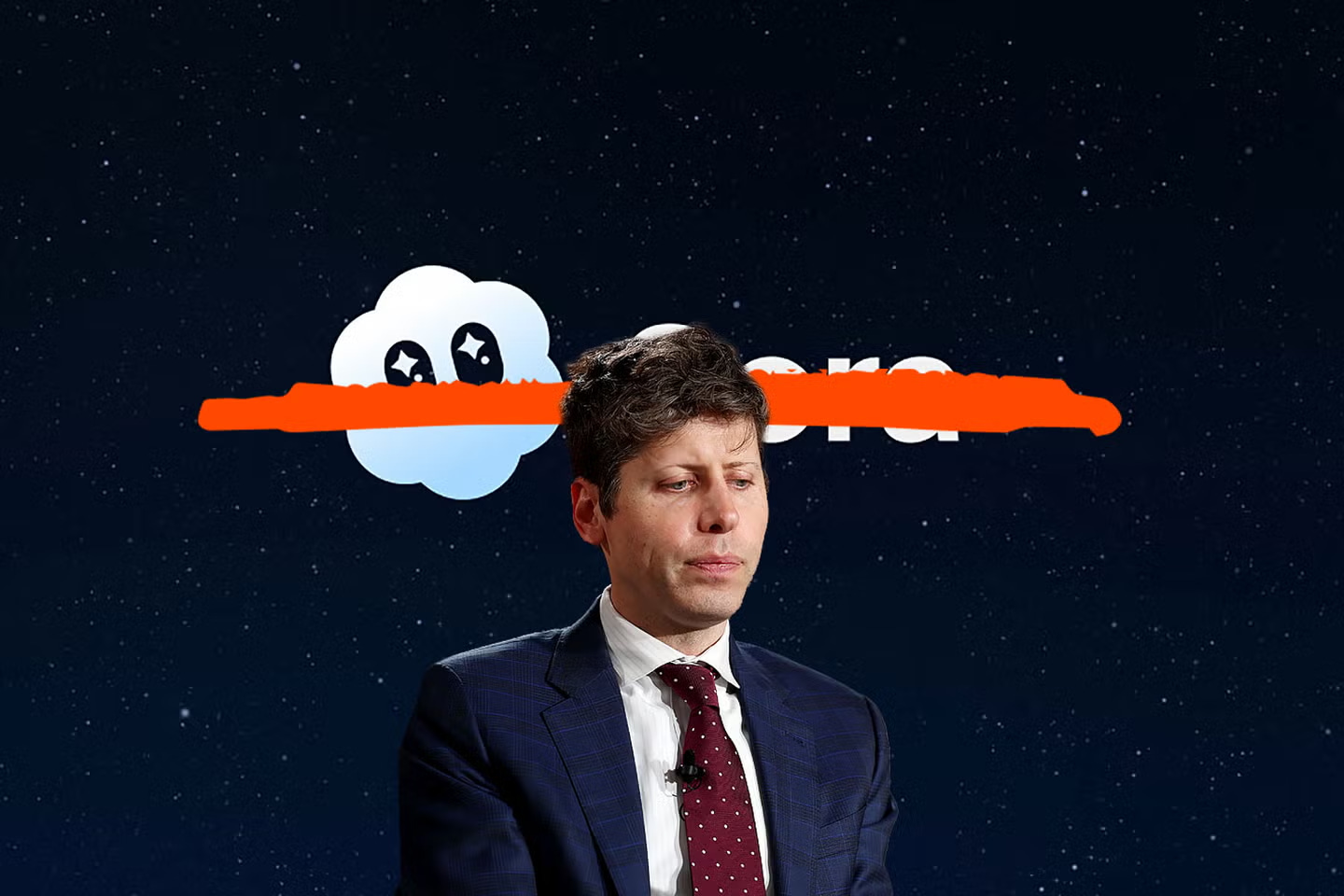
Altman pulls Sora plug

Sora cost $1 million a day to run and peaked at a million users before collapsing to under 500,000.
The timeline is almost comically fast. With a splashy launch in September. Six million downloads in November. By February, barely a million. By March, dead.
Disney committed $1 billion to the partnership and found out Sora was being killed less than an hour before the public announcement. Bob Iger went on CNBC in December calling it a “landmark deal.”
What actually killed Sora wasn’t public backlash or Hollywood resistance, it was Anthropic.
While OpenAI had an entire team trying to make video generation work, Claude Code was winning over the developers and enterprise clients that actually pay the bills.
Altman looked at the compute being burned on Sora and decided he’d rather spend it fighting the war he was losing.
DNG is now an official ISO standard: Adobe’s open RAW format, which started as a forum post asking “could Adobe make a RAW format?” in 2004, is now internationally recognized alongside TIFF and PDF. For filmmakers, it means CinemaDNG workflows just got a stronger long-term archival case.
This week we’re watching:
A doc about Silvesterchlausen, a 500-year-old Swiss tradition where groups of men dress in ornate costumes and spend 18-hour days yodeling and clanging bells through the village of Appenzell every New Year.
Nobody knows how or why it started.
Sometimes the best thing a documentary can do is let something inexplicable stay that way.
Read this week: Underexposed’s piece on why filmmakers should stop oversharing.

Alex’s piece argues mystique is the one thing algorithms can’t replicate, and the pressure to “share your process” is turning sacred creative work into content. It cites Longlegs’ $127 million run off a mysterious billboard with just a phone number, and Mark Duplass at SXSW declaring “access is over”.
A great look at what it means to be a filmmaker in this current timeline.
Retail Therapy: The keyboard that thinks it’s a typewriter
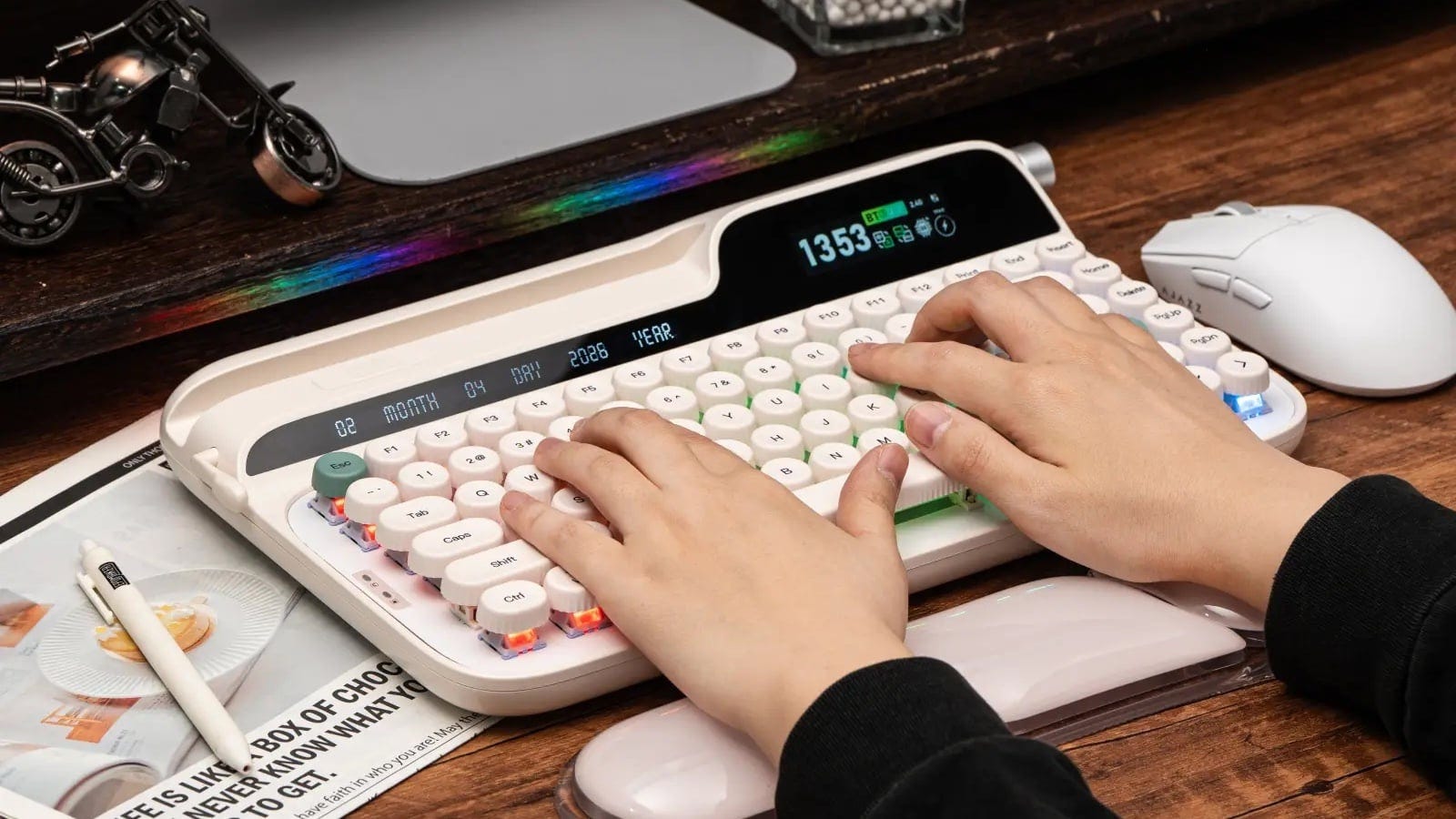
The EPOMAKER Glyph is a mechanical keyboard with round typewriter-style keycaps and five layers of sound dampening engineered for maximum “thock”, so every keystroke sounds like you’re writing something important.
It’s got a 2.79-inch screen built into the body that shows the time, hot-swappable switches let you tune the feel until it matches your writing mood, and an 8000mAh battery means it’ll outlast every Final Draft session you throw at it.
Available at epomaker.com.