
This week:
Berlinale starts in four days with private equity workshops upstairs and 200 filmmakers learning to embrace chaos downstairs, Amazon launches AI Studio promising to keep humans involved, Video Store.Age tries selling indie films on $30 encrypted USB drives to an audience that already owns Blu-ray, and Spielberg finally won a Grammy.
Also coming up later this week, we’re releasing a juicy longform on one the greatest open source tools you’ve probably never heard of :)
Render Reel
First Cut Lab goes international: Tatino’s Paris editing lab selected four features from Europe and Latin America for its inaugural 2026 lineup. Sales agents, distributors, and festival programmers attended the session at the end of January.
Alamo Drafthouse mobile ordering update: The theater chain’s mandatory in-auditorium mobile ordering is now live at multiple locations. The reviews are, predictably, brutal.
Spielberg won a Grammy: He produced the John Williams documentary which won “Best Music Film” at the Grammy’s, meaning he’s finally completed his EGOT (Emmy, Grammy, Oscar, Tony). Spielberg joins a list including Whoopi Goldberg, Audrey Hepburn, Mel Brooks and 19 special others.
Kristen Stewart keeps cinema alive: The Actor / Director restores historic 1925 Highland Theatre as a community space for LA’s next gen of filmmakers.
Video Store.Age
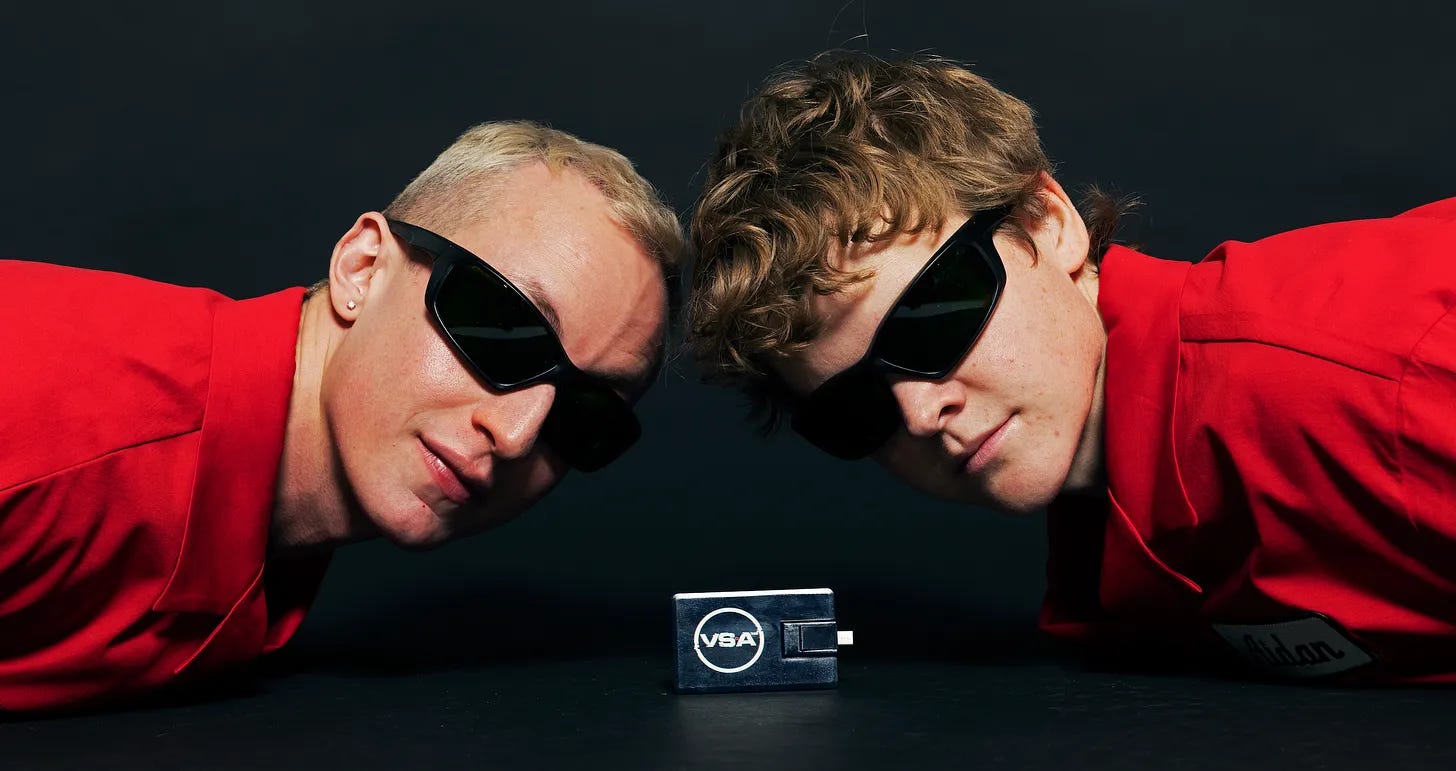
Ash Cook and Aidan Dick’s Video Store.Age could be a potential window into the future of distribution.
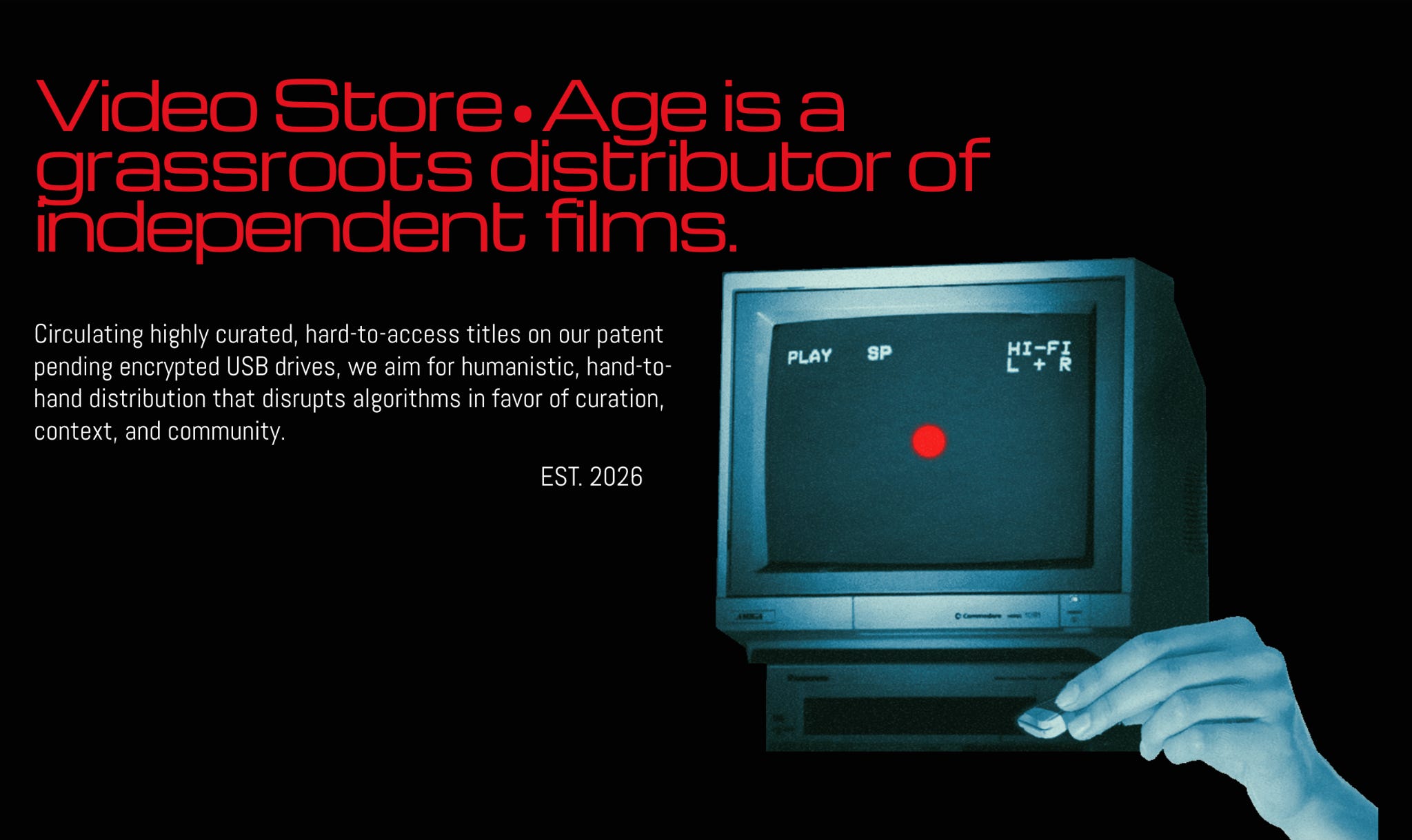
The model is modest by design. They’re touching twenty titles in year one, working hands-on with each team and selling drives in theater lobbies like punk merch. It’s either wildly idealistic or the only distribution strategy that actually works at the margins.
Streaming broke indie distribution by eliminating transparency; by burying films in opaque data and offering MGs that don’t reflect viewership value. So Cook and Dick decided to build their own collector economy.
First collectibles include Sam Feder’s Heightened Scrutiny, a VHS-exclusive of The People’s Joker, and Caveh Zahedi’s Higher Education. Launch is February 27 at LifeWorld Brooklyn.
I do wonder if tight curation means very few filmmakers will actually benefit.
The target audience are clearly cinephiles who probably already own physical media like Blu-ray and VHS, so would they really adopt encrypted USB tech?
The drives also use a proprietary embedded player, meaning you can’t just drag files off or play them anywhere else. And if the company folds, that $30 drive you just bought becomes a paperweight.
But also, why the hell not?
Distribution is already broken and their 50/50 filmmaker split is real money. If this dies in two years, then it dies, but at least it’s an actual experiment instead of another “we fixed indie film with blockchain” announcement.
Read Max Cea’s interview with the founders for more:

Sean Baker’s secret short: “Sandiwara” starring Michelle Yeoh will premiere at Berlinale. The short was shot on an iPhone with fashion brand Self-Portrait and Yeoh plays five characters. Match made in heaven.
Adobe’s Firefly moved to unlimited generations: The feature updates across both Adobe’s “commercially safe” models and bundled third-party options.
Destination Berlinale
Berlinale starts February 13th, which gives us just four days to remember that Berlin isn’t Cannes with better coats.
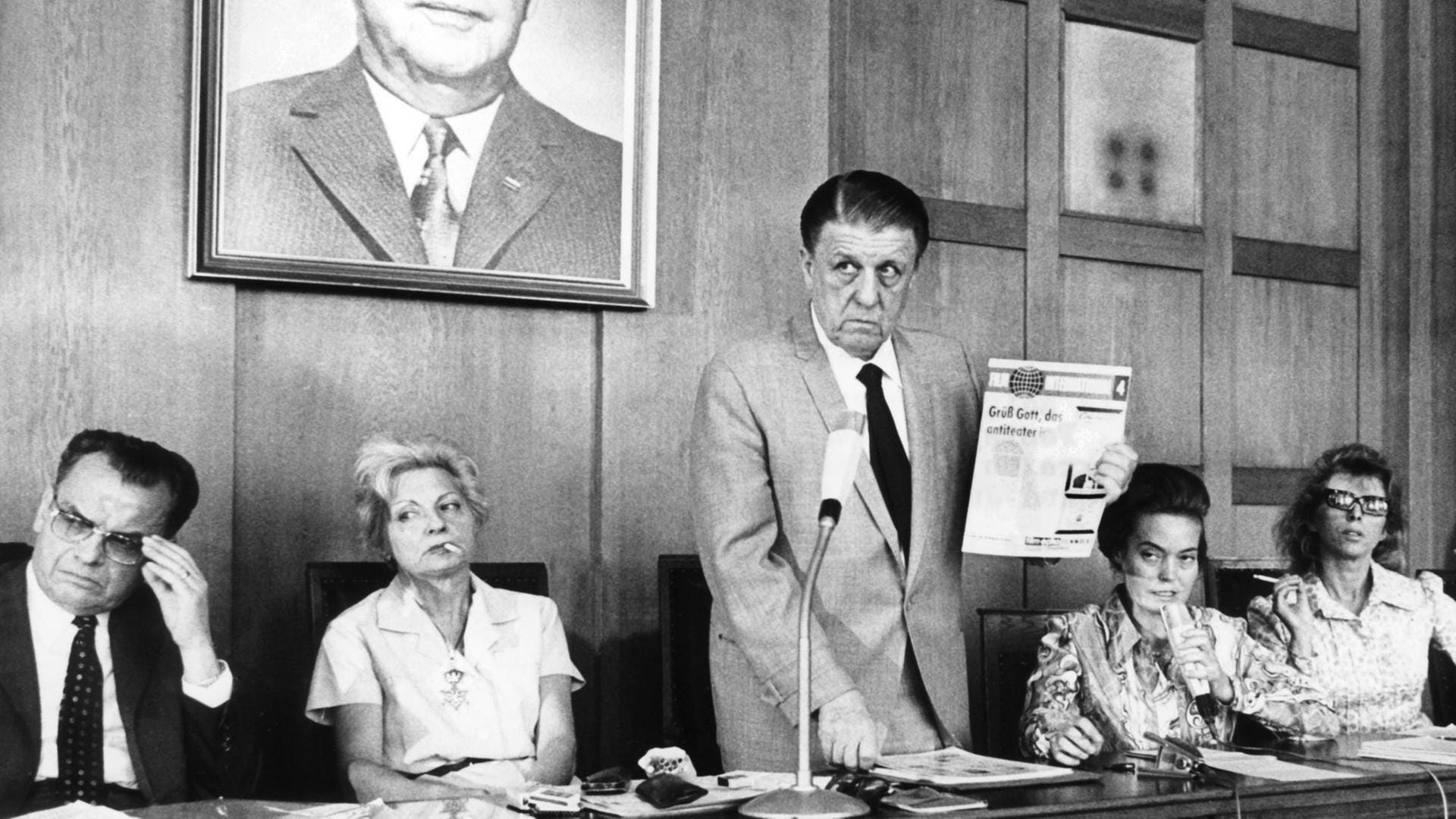
It’s the festival born as Cold War propaganda: opening in 1951 with Hitchcock’s Rebecca aimed straight at the Soviet sphere. Then it became the political, transgressive talent incubator everyone now pretends was always the point.
The transition was never gradual.
It took a rupture in 1970 when Berlinale’s jury tried banning Michael Verhoeven’s anti-war film O.K., calling it “anti-American,”. The decision sparked mass walkouts, and the festival completely imploded. The entire jury resigned, 1970 Berlinale edition cancelled, but the festival’s experimental section “the Forum” was born.
Competition and star worship were explicitly rejected making Berlin the “political” festival. Berlin’s whole brand is about being the festival that cares about formal experimentation and geopolitical stakes and not just red carpets.
Less starry than Venice, colder than Cannes (in weather and taste) and more institutional than Sundance.
However, it’s the market, EFM (European Film Market), which is Berlinale’s unsung draw as it’s the real reason industry flies in, especially Americans, though the public has no idea.
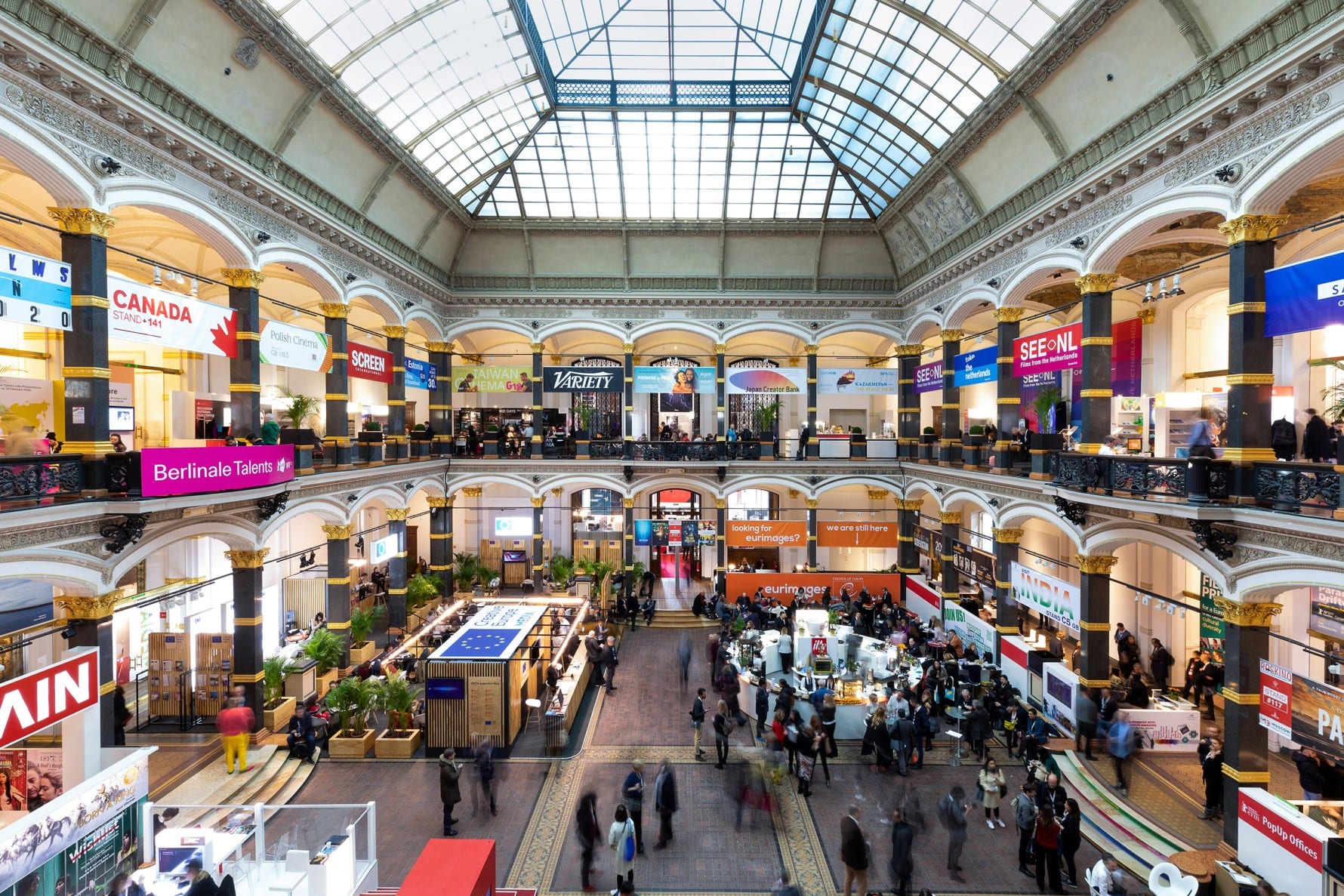
EFM’s predominantly housed in the Gropius Bau and with its high ceilings and natural light, you can actually hear yourself think. An alien luxury at any film market.
Last year, we covered what attending Cannes actually feels like.

And if the Cannes’ ‘Marché,’ feels like a fish market, then EFM feels like a WeWork in a museum.
Everyone moves slower. Meetings happen in corners with actual seating instead of standing in hallways clutching tote bags. You’ll know your way around the building in half a day.
It’s less chaos than Cannes. Which is part of the problem.
The Cannes’ market badge gets you panels upon panels, screenings and pavilions on a beach, which is real access for real money. Berlin’s EFM badge costs just as much (€450) but buys you significantly less.
People increasingly skip it entirely, taking meetings at the Marriott or the Ritz Carlton for the price of a €10 espresso instead.
Geography is the second EFM problem.
Cannes is a small coastal town of maybe 7 square miles (realistically 0.5 during the festival). There aren’t that many options for meeting much further than the Palais where the Marché is and everyone passes through the building eventually anyway.
So paying €450 for proximity makes sense.
Even if EFM surrounds Potsdamer Platz, Berlin is still a sprawl in comparison.
Just as many people congregate at the Marriott, Ritz, and Soho House as they do Gropius Bau. The badge becomes optional when the action isn’t centralized.
EFM’s program this year is interesting though.
Masterclasses on linking institutional capital with creative producers. Winston Baker panels on PE strategies. IPR.VC workshops on treating content as a diversified asset class. An AI Decision-Making workshop. A Film-to-Game Accelerator. A Cross-IP Accelerator with Annecy. Something called “EFM Beyond” positioning producers as “IP architects in a liquid content ecosystem.”
A lot of word salad to essentially just to say “keep up”.
Amazon launches AI Studio as production accelerator: MGM Studio launches AI Studio in March; a closed beta for industry partners to test tools that speed up pre- and post-production. Albert Cheng leads the team, promising humans stay involved at every step, pointing to House of David battle scenes as proof of concept.
Once upon a time in Baltimore: A historic look at Baltimore’s production golden age: when the city was “Hollywood East” and how capped state incentives killed the boom while uncapped rivals kept building.
CNN asked astronauts to pick favorite space movies: Artemis II crew favorites include Apollo 13, The Martian, Interstellar, The Right Stuff, and of course, 2001.
This week we’re watching:
YouTuber ThisGuyEdits asked 116 editors to answer a survey about their current editing situation. Some of the answers are surprising, some not.
The recap doesn’t look great.
74% are not working sustainably
5% have a reel that actually brings in work
78% lack regular clients
84% do not have a clear plan
Worth a watch, if you’re an editor.
Retail Therapy
The $349 Typewriter That Syncs to Dropbox

The Freewrite Alpha Raven Black is a distraction-free writing device with a 2-4 line LCD screen, mechanical keyboard, 100-hour battery, and cloud sync.
You won’t find any browser tabs or notifications. Just a minimal display and autosave to Dropbox with sync via Wi-Fi or USB-C.
The question is whether you’re buying a tool or the fantasy that the only thing between you and finishing your screenplay is the existence of the internet.
It’s the Moleskine notebook theory, but Bluetooth-enabled.