
Hi everyone —
Amazon is one of the world’s most ambitious and unusual companies. It began as an online retailer, now powers a huge share of the internet, and somehow also became the home of James Bond and The Lord of the Rings.
My colleague Efosa dug into the unlikely origins and rise of Amazon Studios—from a crowdsourced platform where anyone could submit a script to one of Hollywood’s biggest players.
I hope you enjoy reading it as much as I did.
—Shamir
Co-Founder & CEO
Eddie AI, the AI video editor for video pros
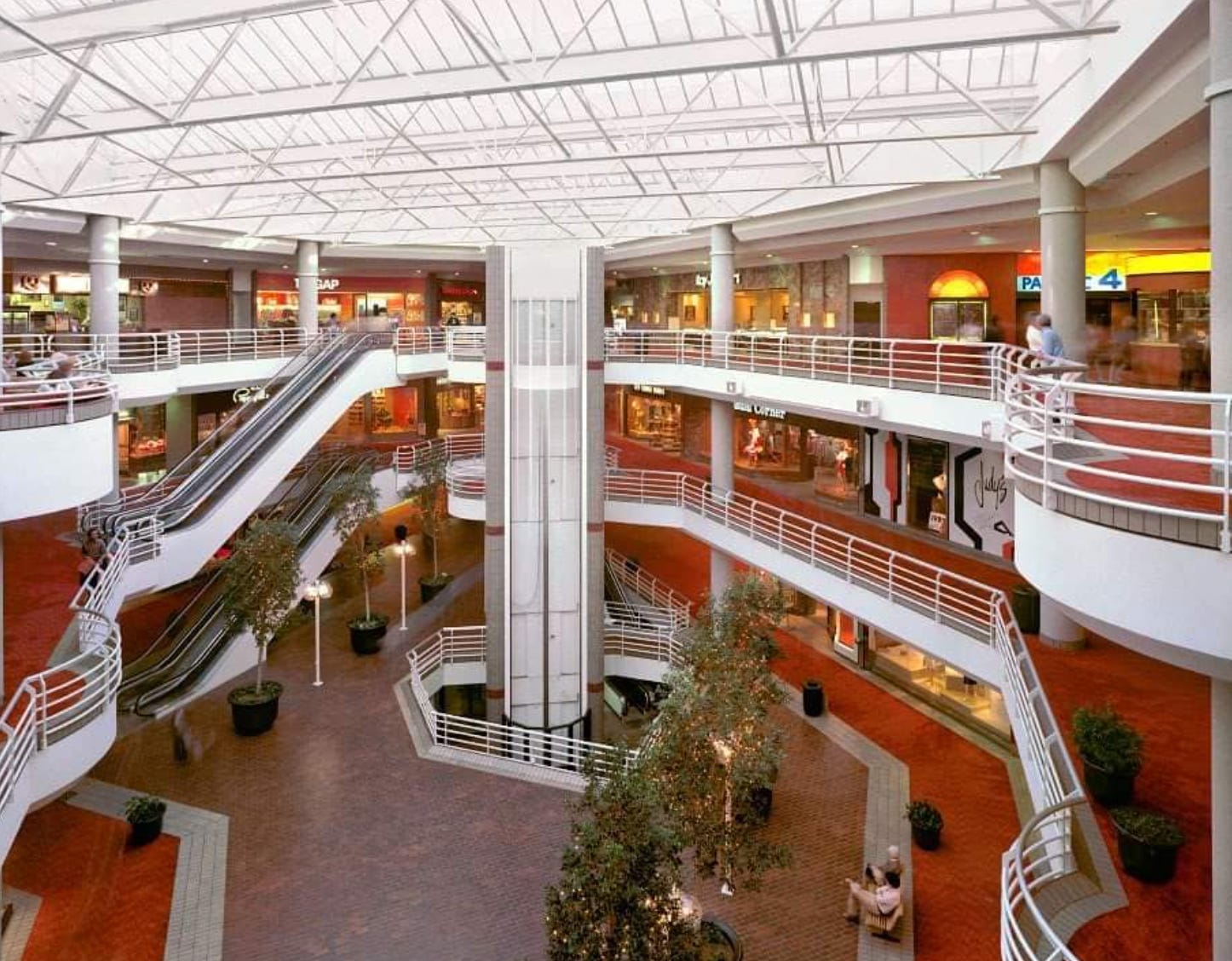
Sherman Oaks, 2010.
A shopping mall off the 405. The Galleria is known for two things; its food court and the freeway beside it.
Inside, in the corner of an office belonging to a movie-trivia website, sits a desk that doesn’t belong to anyone in particular.
It’s borrowed. So is the office, actually. The website is IMDb, founded by a British cinephile, bought by Amazon a decade earlier for about $55 million, a purchase nobody in Hollywood had bothered to notice.
They were about to.
The man who flew down from Seattle every couple of weeks to sit at that desk was named Roy Price, though the name didn’t mean much yet. His title, “group product manager”, gave away even less.
What he had was a thesis, a budget that barely existed, and a commute; back and forth between the khaki campuses of Seattle and the screening rooms of Beverly Hills.
Fifteen years later, the company that grew out of that desk would go on to own James Bond. Rocky. The Silence of the Lambs.
It would make its own things too, Transparent, Mrs. Maisel, a small film about grief called Manchester by the Sea and it would win Academy Awards.
It would spend $465 million on a single season of TV and $8.45 billion on a studio that had been making films since 1924.
Nobody remembers the mall anymore but this is the story of what got built there. What got broken and why the machine keeps running regardless.
The Bloodline and Twenty-Minutes
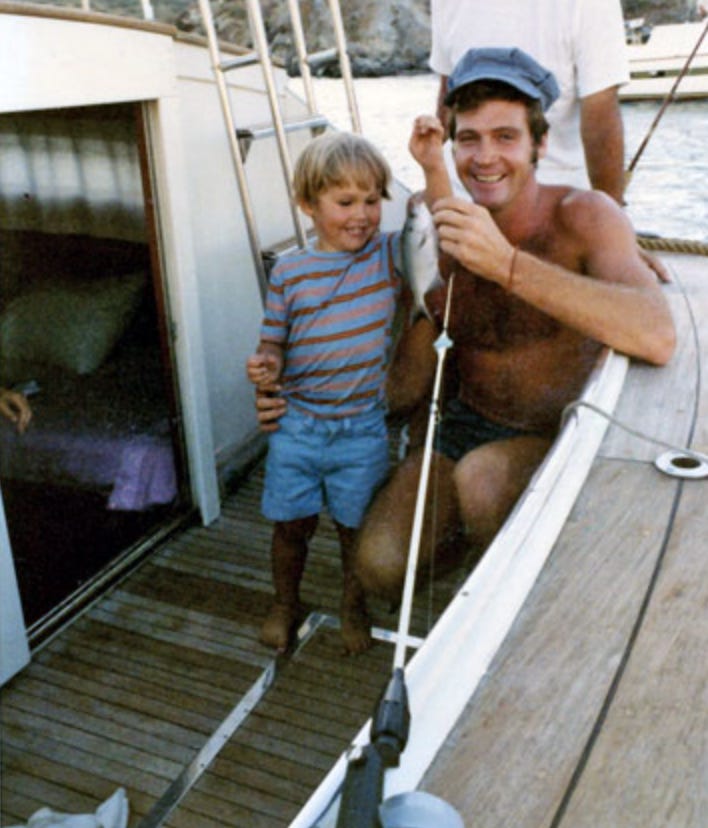
Roy Price was an exotic import to logistics-obsessed Seattle.
Born in Beverly Hills in 1967 and a literal heir to film and TV royalty. His maternal grandfather was Roy Huggins, creator of The Fugitive, The Rockford Files, and Maverick.
His father, Frank Price, was a TV titan.
Head of Universal Television in the 1970s, where he helped invent the made-for-TV movie and shepherded hits from The Virginian to Spielberg’s debut, Duel and later president of both Columbia and Universal Pictures.
You could essentially call Frank “Mr Greenlight”.
Roy’s real education started in his father’s living room, at weekly Sunday screenings of pre-release prints. What he absorbed there was the cardinal rule of the old studio system which is the supremacy of the “hunch”.
Frank would walk out of a screening after about twenty minutes if it wasn’t working.
Roy later recalled:
My father would often leave after about 20 minutes because he got the idea of whether it was working in that time.
If the living room taught him instinct then institutions taught him the system.
After Phillips Academy Andover came Harvard, where he studied English, then USC for law. He cut his teeth as an assistant at CAA, spent five years as a VP at Disney TV Animation, then made the pivot that would set up everything else; leaving Hollywood to consult at McKinsey.
It gave him a rare dual fluency as he could talk to directors and build the financial model simultaneously.
So by the time he set his sights on Amazon, most doors in Hollywood were already open to him.
A dozen execs had known Frank Price for thirty years and would have taken Roy’s call before the first ring finished.
But he didn’t make the call.
He went to amazon.com, found a job listing, and uploaded his résumé through the website like he was applying to run the register at McDonald’s.
Amazon called back and ran him through the same thirty-minute phone screen they gave every applicant. He cleared it and they flew him to Seattle; a city he had never set foot in.
The heir to Hollywood royalty had come in through the side-door and in 2004, when Amazon went looking for someone to build a digital-video business from scratch, this is who they found: not a prince cashing in his name, but a stranger who’d applied like all the rest.
A Leather Jacket in the Land of Khakis
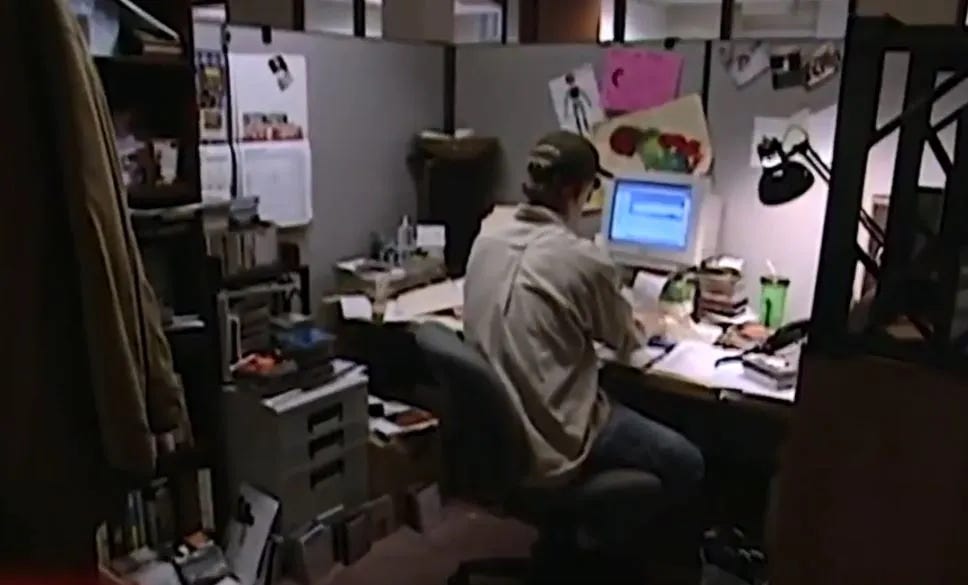
Amazon in 2004 was not a fun place to be flamboyant.
The desks were made of hollow-core doors, and decisions got made in six-page memos over PowerPoints. The reigning gods were logistics savants who built fulfilment networks, and the culture existed to produce results over friendships
Everyone wore khaki.
Then there was Roy Price.
Clad in a black Flag tattoo, leather biker jacket (or harem pants), tennis whites - depending on the day. In meetings he’d perch on his chair like a bird, giggle at nothing before drifting off into his phone.
Colleagues settled on “eccentric.”
He was the opposite of everything Amazon optimized for.
They kept him anyway, because he had the one thing the spreadsheets couldn’t build. A black book of studios that would actually pick up.
His first job was to out-iTunes iTunes and in 2006 he launched Amazon Unbox, which let you buy or rent a movie and then (this being 2006), wait for it to download onto your PC.
Not your Mac. Just PC. Like a fax machine.
So Price did the thing he was good at.
He strong-armed the legacy studios into deals until Amazon had 50,000 titles, making it the biggest digital library going.
In 2008 it was reborn as Amazon Video on Demand with no downloads. It streamed, on a Mac, and then lived inside your TiVo and your Sony Bravia.
By 2011 it had a name you might recognize. Prime Video.
The only problem now was that Netflix was already spending real money making its own shows, and you can’t out-license your way out of that.
To actually compete, Amazon had to stop renting other people’s movies and start making their own. In 2010, they handed Roy Price a studio. He decided to build it the way Amazon built everything, which meant data.
For the son of the twenty-minute walkout, it was either the ultimate rebellion or the ultimate mistake.
And what followed became one of the strangest experiments Hollywood had ever seen.
Crowdsourcing Delusion and the Anomaly on Normal Street
Amazon Studios launched in November 2010 with a thesis that sounded great in a TED talk and terrible to anyone who’d ever actually made a movie.
The idea was to let the “crowd decide”.
The Hollywood system, Price argued, was a handful of execs greenlighting projects on relationships and gut. This was often inefficient and prone to expensive disasters.
Anyone on Planet Earth could upload a script to the Amazon Studios website and the community would review it. Promising ideas became cheap “test movies,” the test movies went in front of Amazon customers, the customers got surveyed, and the data decided what got made.
As Price told Reuters in 2012:
Our notion for what the world needs may be a roller-skating movie or a battleship film, but that could be wrong.
Better to find out before you spent $200 million.
The amateurs came in droves and over eight years, 27,000 scripts were uploaded.
And out of all 27,000, the open-door policy produced a grand total of one hit.
A children’s show called Gortimer Gibbon’s Life on Normal Street.
The script came from David Anaxagoras, a preschool teacher with an MFA who’d given up on Hollywood fifteen years earlier and decided to try one last time.
It caught the eye of Tara Sorensen, Amazon’s head of kids’ programming, who was not a disruptor at all but a veteran who’d developed hits like Rolie Polie Olie at Nelvana.
She did the traditional thing by pairing the novice with a stellar team including an Oscar-winning director and a great cast.
It ran two seasons, won a Humanitas Prize, a WGA Award, and picked up DGA nominations.
Kids’ TV became Amazon’s first real beachhead as then came Tumble Leaf, Creative Galaxy, Annedroids, all of it built the old way, by an exec with taste, for parents who just wanted something safe to put on.
But beyond kid’s programming, the well was well and truly dry.
One feature, The Wall, got optioned off the platform and released in 2017, but that was the list.
The entirety of it.
The failure said something Frank Price could’ve told them after twenty minutes in a screening room. That great work comes from a single uncompromising vision and not a consensus.
A focus group can tell you what it disliked about something that already exists but cannot conjure The Sopranos out of the air.
Meanwhile Netflix was eating the culture with House of Cards and Orange Is the New Black. These were singular and expensive visions and the exact opposite of Amazon’s spread-the-chips approach.
As Price told the Los Angeles Times in 2013:
If you’re betting on one show, it’s got to be right down the middle of the fairway. But if you’ve got 14, you can allow people to try new things.
New things, it turned out, does not win Emmys.
By 2016, Prime Video was spending $3.2 billion a year to keep losing this argument.
The algorithm had failed to dream and it was time for Roy Price to go back to his roots.
Prestige Pivot and the Sundance Savior
Roy Price decided it was time to change.
He dropped the anti-Hollywood-disruptor act and began operating like a 1970s studio mogul, courting the most idiosyncratic, uncompromising talent he could find.
Auteurs. The exact people the algorithm was built to replace.
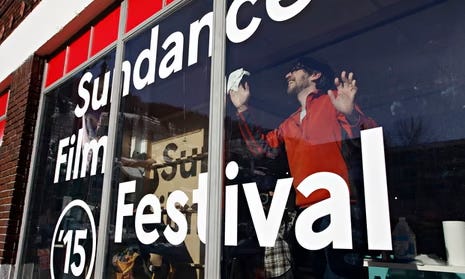
The turn happened at Sundance in 2015. Indie film was broke and demoralized, and into Park City walked Amazon with a checkbook. Netflix insisted its movies hit the platform the same day they hit theaters, which enraged theater owners and made purist directors break out in hives.
Price offered the opposite. A real theatrical run first, then Prime.
It worked because filmmakers believed them. Spike Lee made Chi-Raq with Amazon, its first theatrical release, in December 2015.
As Spike Lee told Variety in 2016:
Maybe I’m old-fashioned, but I like my films to be in a theater first before people watch it on an iPhone.
On the TV side, Price became less reliant on the crowdsourced pilot experiment and instead hired people who actually knew what they were doing.
Joey Soloway made Transparent, the teams behind Bosch and The Man in the High Castle delivered prestige hits, and eventually Amy Sherman-Palladino made The Marvelous Mrs. Maisel.
All of which required corporate heresy.
Standing inside one of the most data-obsessed companies on earth, Price told the press the data was, at best, “helpful” and that you could easily ask it to decide things it had no business deciding, like how a romantic scene should play.
Data could price a pair of shoes but couldn’t time a joke or land a tragedy. He was running his father’s gut on Jeff Bezos’s infinite loot.
It worked. Brilliantly.
Amazon Studios went from industry punchline to fourteen Best Series wins across the Globes and Emmys.
Then Kenneth Lonergan’s Manchester by the Sea won two Oscars and made Amazon the first streamer ever nominated for Best Picture.
That weird guy in the leather jacket was now a king.
But as most kings fall, they’re rarely brought down by the cavalry.
Suit Strikes Back
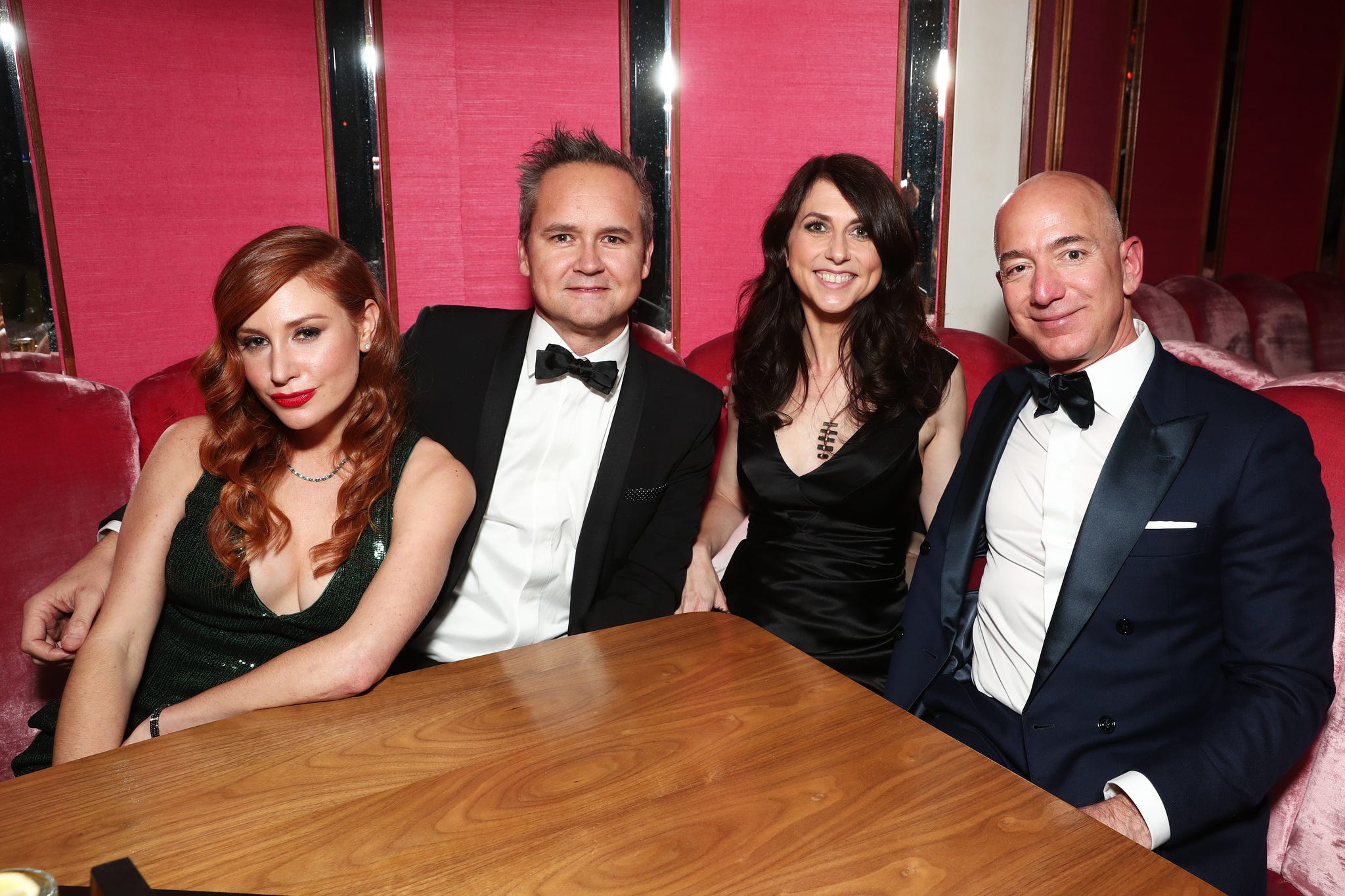
Every rebellion needs an antagonist, and Price’s turned out to be the one King above him. Jeff Bezos.
The Oscars and Emmys were cute. But they were also, to Bezos, beside the point. Transparent and Mozart in the Jungle delighted critics on two coasts but didn’t add the tens of millions of global subscribers that would actually move Prime’s economics.
Bezos wanted bigger shows with bigger audiences.
And by 2017 he was pushing Amazon toward established IP with enormous built-in audiences. A month after Price left, Amazon paid a reported $250 million for the television rights to The Lord of the Rings, the opening move in a series expected to cost around $1 billion.
In other words, the quirky auteur era was over.
So here was the standoff; the Seattle metrics machine wanted blockbusters chosen by data, while Price ran his $7 billion budget like a 70s studio chief who answered to no one.
He’d never had more power, but had never been more out of step with his own employer.
But it wasn't the standoff with Bezos that would end Price. It was a five-minute car ride in San Diego, two years earlier.
That Uber Ride in San Diego
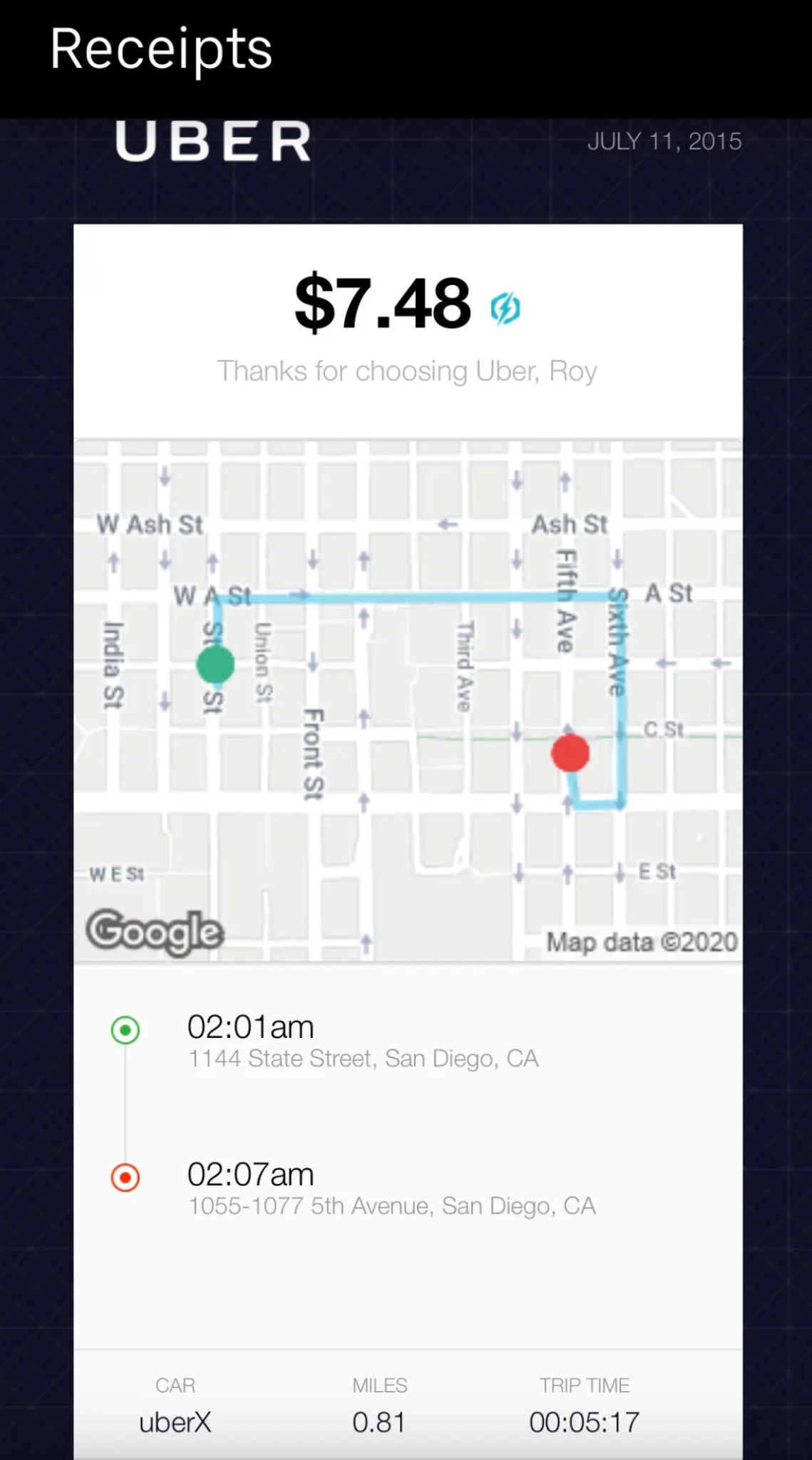
July 2015, at Comic-Con.
Amazon was there promoting The Man in the High Castle, its alternate-history adaptation of the Philip K. Dick novel. Representing the production was Isa Hackett; the show’s executive producer, and Dick’s daughter.
After a cast dinner on July 10th, Hackett and Price ended up in an Uber ride to an Amazon party, along with another senior exec.
What happened in that Uber is the most contested 5 minutes of Roy’s life.
By Hackett’s account, given in detail to The Hollywood Reporter two years later, Price propositioned her repeatedly and at one point allegedly telling her:
You will love my dick.
She rebuffed him, telling the head of the studio she was a married lesbian with children.
By Price’s account, which he has never stopped giving, most recently in a long 2026 essay of his own, it was party banter, some of it riffing on the title of a show Amazon then had in development, I Love Dick.

He says he never propositioned her, that the most damning line surfaced only in the 2017 telling, and that she approached him, not the other way around.
Both accounts cannot be true.
Three people were in the car.
Two have given irreconcilable accounts publicly but the third, Amazon executive Michael Paull, has never publicly resolved the dispute.
What isn’t in dispute is what Hackett did next. She reported it to Amazon within hours.
The company retained an outside investigator, Christine Farrell, who interviewed Hackett and others who’d been at the dinner and the party.
Then the file went quiet.
Hackett was never told the outcome and Price was not fired but he was barred from events tied to her shows.
He kept his budget, his leather jacket, and his Emmys.
For two years, it held.
A Campfire Extinguished

In early October 2017, the Weinstein exposés in The New York Times and The New Yorker detonated around the industry, and the old code of silence collapsed almost overnight.
Hackett took her account to The Hollywood Reporter, which published it on Thursday, October 12th.
Price was in Santa Barbara when it ran, at Bezos’s invitation-only “Campfire” retreat. The call came fast. and Amazon was badly exposed.
They had been co-financing projects with Weinstein at that very moment, and could not afford to be seen looking away.
By that afternoon Price was on leave.
COO Albert Cheng was installed as interim head. A London showcase was scrapped. The next day, Price’s fiancée called off their wedding. Over the weekend, THR reported further accounts of similar conduct.
By Tuesday, October 17th, Amazon had accepted his resignation.
The whole thing took five days. Hackett declined to sue, saying she’d achieved what she set out to do.
Price left America for nearly three years.
He has denied the allegation at every turn. In a 2020 Los Angeles Times interview, where he called it a failed joke mistaken for predation.
Hackett stands by her account. Price denies propositioning her and denies saying the line attributed to him. Amazon investigated the incident in 2015, but its findings were never made public, and Michael Paull, the third person in the car, has never publicly settled the dispute. The public record therefore does not establish which account is correct.
Either way, the machine wasn’t about to find out.
Death to Algorithm
In February 2018, Amazon replaced Price with Jennifer Salke, a former president of NBC Entertainment and a broadcast veteran built for big budgets and broad appeal, exactly Bezos’s new mandate.
The indie darlings went first; Mozart in the Jungle was canceled. Then, on April 13, 2018, Amazon emailed its community of amateur writers to announce it was closing the open-call submission program for good.
Submissions already in play were honored through that June, but the “movie studio of the future” was becoming a thing of the past.
Shutting the open door was an admission that the whole crowdsourcing thesis had failed.
To beat Netflix, HBO, and the looming Disney+, Amazon would write enormous checks to established production companies, playing the very Hollywood game Price had been hired to disrupt, and had, in the end, become.
Ghost, Lion and the Machine
Roy Price’s legacy is a peculiar one.
He changed how the world streams content by restructuring the most data-obsessed company on earth from the ground up and making the algorithm dream.
Then the machine kept running without him, and got better at being a machine.
Freed of the man in the leather jacket who kept arguing against it, it finally did what it had always wanted to.
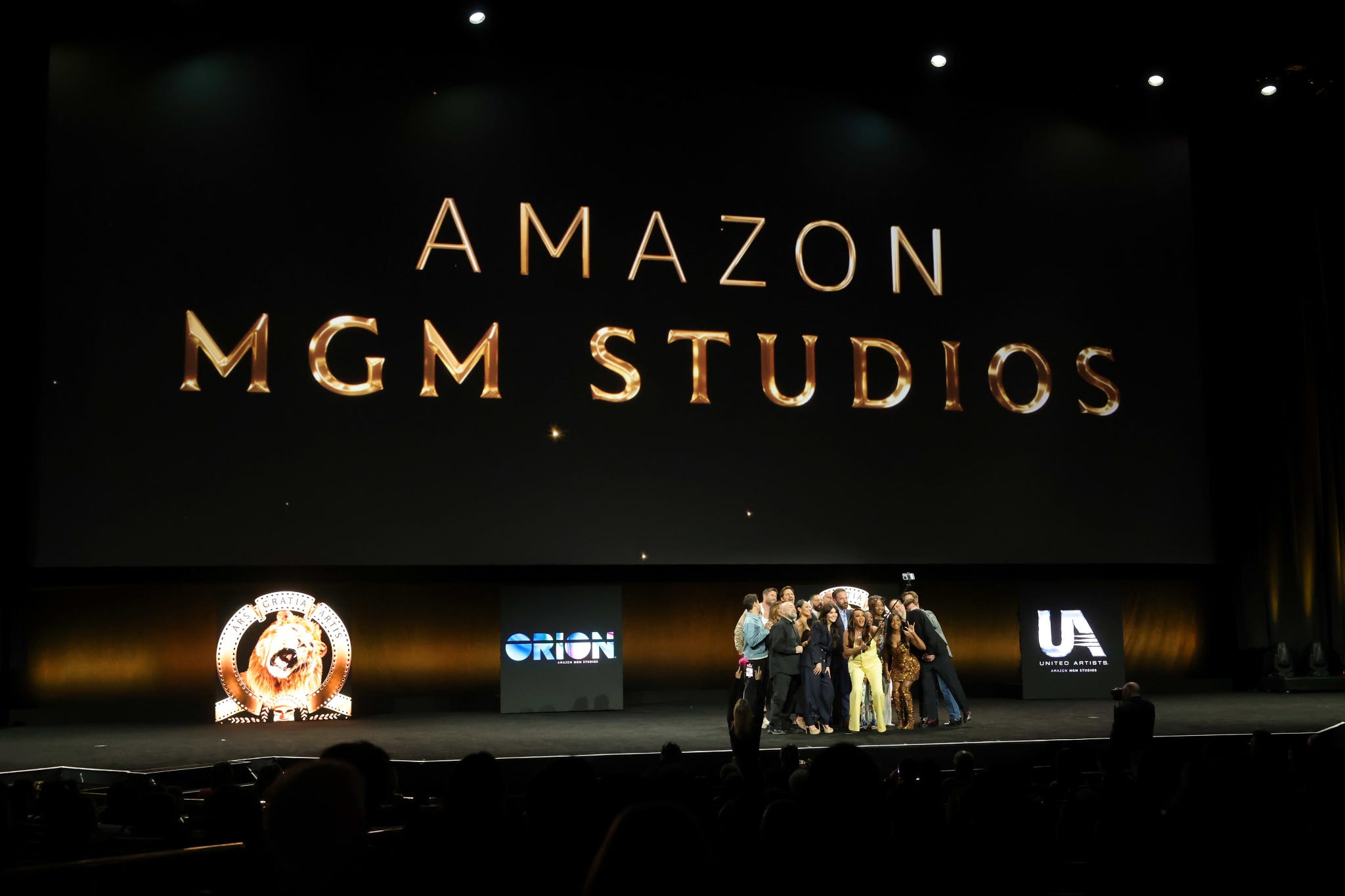
In 2021 they spent $8.45 billion on MGM, the roaring lion, James Bond, Rocky, a near-century of cinema in a single transaction.
Amazon had spent fifteen years and a fortune trying to manufacture a legacy and learned that you can’t. So they bought one.
Roy Price has a theory about why the open door failed. In his eyes the idea wasn’t wrong, but it was too early.
Ask a stranger to make their script watchable in 2012 and you got a storyboard nobody looked at.
Ask a machine now and you might have a trailer by the afternoon. Run Amazon’s open-door experiment today, Price argues, and the economics look very different:
People would be much more capable of generating things.
So perhaps the bet wasn’t dead. Just early.
It’s now bigger, automated, with a straight face and on the same idea that started at that borrowed desk.
That the next great story is out there in the noise, findable by machine, if the machine is strong enough.
Maybe a model finally does what Frank Price did from his couch in twenty minutes.
Or maybe Amazon is about to learn what it costs to be wrong at scale, faster now, and in much higher resolution.