
Hi everyone —
Back from IBC. It was exhuastingilerating. My friends asked how was the city, did you check out the Anne Frank museum, did you ride a bike along the canals? Nope. I flew in. Conference all day. Work all night (cause I was jet-lagged). Back to the conference. Rinse and repeat. Flew out.
But it was fun. I find it super energizing meeting existing and potential customers and running demos.
And we had something big to show:
We launched v4. And it won Best in Show at IBC!
That’s the trifecta of wins this year: IBC, CineGear, and NAB.
We finally got around to updating our YouTube channel with new how-to videos, here’s the playlist.
When you play with v4, let me know what you think. It is immensely more capable than previous versions.
—Shamir
CEO & Co-founder, Eddie AI
PS: want to check out something new?
Also this week
Reuters let newsrooms edit archive footage by talking to it, Sony has 7,000 FX5 orders to fill. TIFF’s new market produced a bidding war and an AI Val Kilmer film. The greatest summer box office of all time and Yellowstone is apparently fishing lens caps out of hot springs.
Render Reel
Avid put Media Composer in Chrome. Google Cloud now sits underneath a browser version of the editor, with Gemini and BigQuery being wired in for search and automation. Avid’s own survey says 79% of professional editors are already using AI.
Reuters made its archive editable by talking to it. The footage plugs into CuttingRoom’s browser editor, where a newsroom can ask an AI to find a clip, edit and reformat it for whichever platform needs it next.
OpenAI buys camera company for $300 million. Glass Imaging was founded by former Apple engineers and runs neural processing directly on RAW sensor data.
Sony has 7,000 FX5 pre-order backlog. Demand’s strong enough that later orders could slip towards the end of the year or beyond.
Heavyweight auteurs back €30 million indie cinema bailout fund. IRIS has Almodóvar, Sofia Coppola, Scorsese, Sean Baker, Jane Campion and Denis Villeneuve on its international council, with a target of raising €30 million to support vulnerable arthouses over the next three years.
Hollywood technically just had its biggest summer ever*. *Records have become much, much easier due to ticket prices and, of course, inflation. Regardless, the North American summer box office reached roughly $4.765 billion, beating out 2013’s summer record by $9.3 million.
Toronto goes shopping
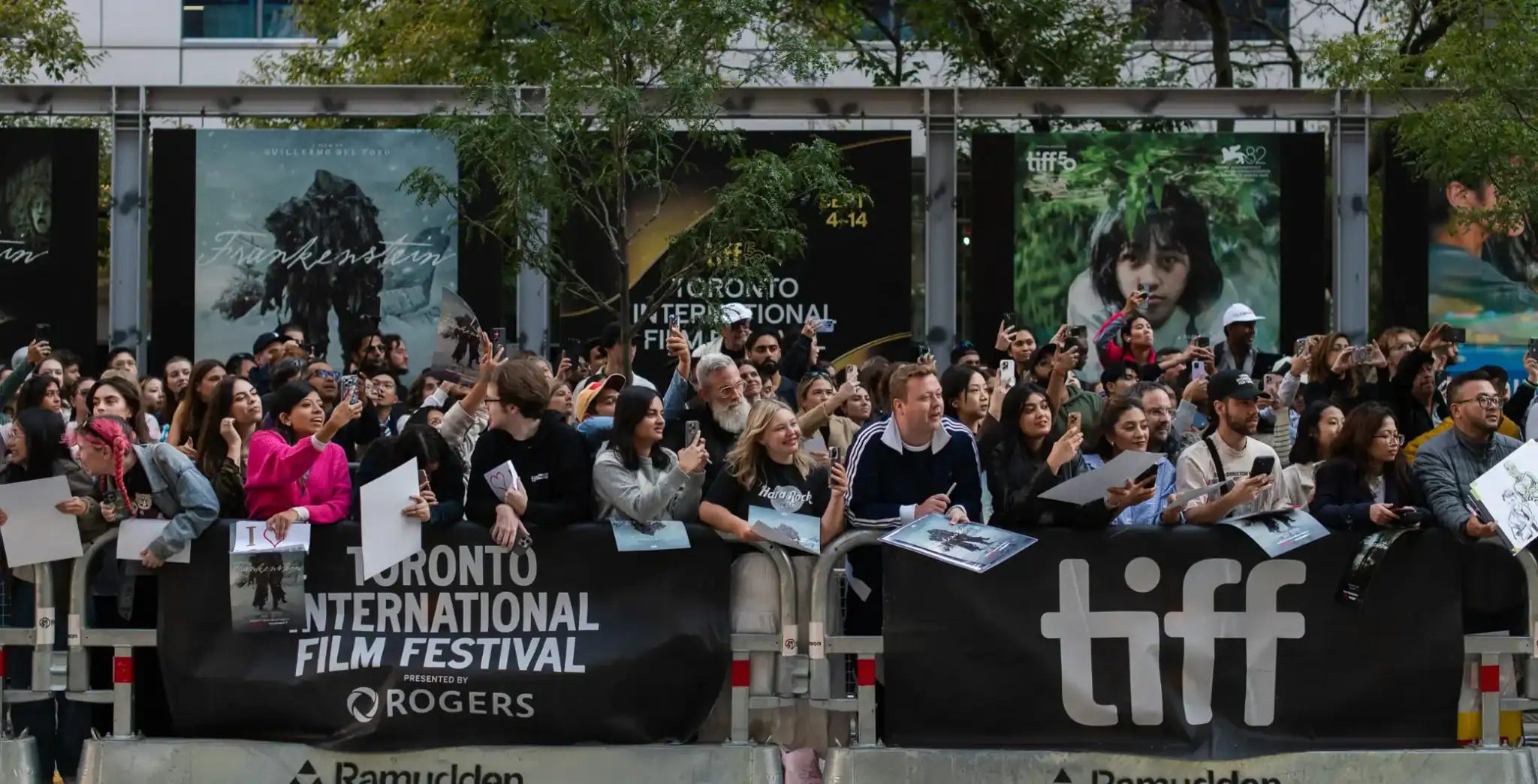
TIFF launched its first proper market this year, backed by C$23 million in federal funding and more than 800 buyers.
But for the first few days, hardly anyone was actually buying.
Then River happened.
The Midnight Madness horror film arrived with IFC/Shudder already holding rights, but the Toronto response was strong enough to effectively put it back on the table. Sony reportedly bid $8 million before Universal and Blumhouse Atomic Monster went above $10 million.
A decent receipt for a film market that has spent years unofficially operating out of hotel bars.
Whether TIFF’s market actually sticks is the real question. And Stephen Follows has, as ever, done the far better deep dive on the market itself.
He went snooping through three years of Canadian government accounts, 145 public statements and attendance data from rival markets, and came away convinced it will.
The headline numbers from his research:
3,377 companies were listed as attending on opening day, up 63% on last year.
Only about a third of AFM's regulars showed up, so Toronto is pulling a different crowd rather than poaching the same one.
I personally know quite a few AFM regulars who have never been to TIFF.
Read full dive below:

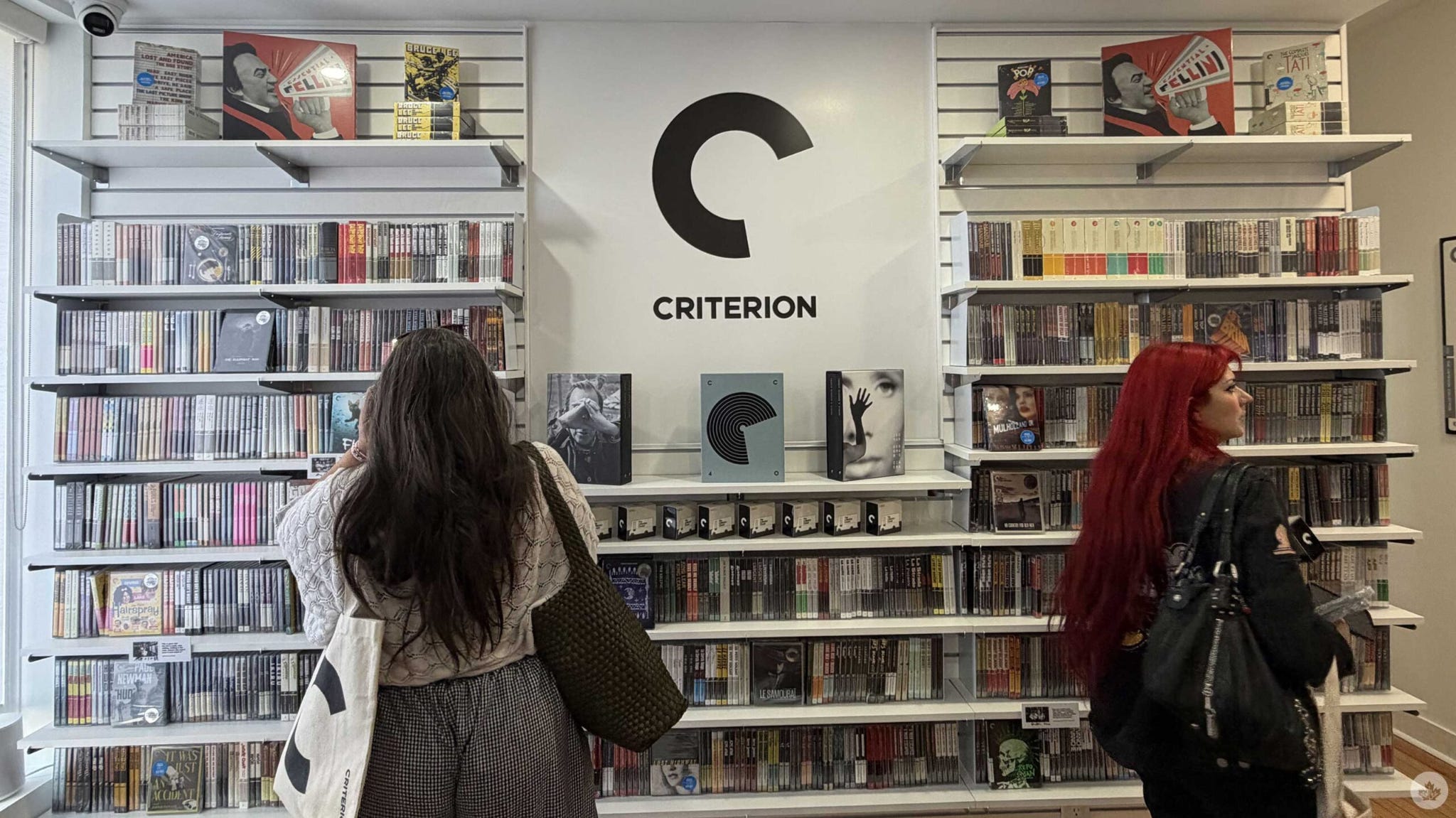
Down the road, Criterion opened an actual video store.
Cinema Cellar at 129 John Street is the company’s first permanent Canadian retail home, and it spent the festival stocked with the physical catalogue. Last year’s Criterion Mobile Closet drew more than 1,000 visitors in a few days, with 80% of them under 30.
Some even bought their first disc despite owning nothing capable of playing it. Cute.
AI Val Kilmer film
Buyers at TIFF were offered As Deep As The Grave, which features an authorised AI recreation of the late Val Kilmer after illness prevented him from filming the role. His family approved the performance and his estate is being compensated.
Imagine reading that sentence five years ago.
Meanwhile, in cameras
Pentax killed its DSLRs so it can make more DSLRs. Ricoh discontinued the current K-series while promising a new generation built around an “entirely new concept.”
A photographer took a $500 Dyson toothbrush (yup) street shooting. The new CameraJet has a tiny camera built into the brush so you can inspect your teeth. A photographer who goes by the name All Gear No Skill took it outside instead, using screenshots of the live phone feed as street photos because the app cannot actually record anything.
“The best camera is the one you have with you” gone too far?
IBC had a music video shot with 75 RED cameras. On RED’s stand, DP Neirin Jones showed how he surrounded artist DeathbyRomy with 75 V-RAPTOR X bodies shooting 8K, then used the volumetric capture to move the camera virtually after the performance had already happened.
Anamorphic lenses now know about TikTok. Sirui’s Saturn V2 rotates its anamorphic element internally, so the same lens gives you the correct aspect ratio squeeze and oval bokeh whether you’re framing horizontal or vertical.
Someone built a machine for making almost-35mm film at home. A 3D-printed perforator punches sprocket holes into photographic paper so it can run through a film camera. It can be powered by a cordless drill, which feels appropriately artisanal.
Yellowstone removed 54 lens caps from its hot springs this year, along with hundreds of hats and thousands of other objects.
This week we’re watching
Two boys heading out into London and the video simply follows them. That’s it.
It plays like a tiny narrative film and eventually folds straight into Ezra Collective’s next track, Black Flag.
Fin Melluish’s edit is patient enough to let the night feel lived-in before reminding you this is technically still a music video.
Retail Therapy: the $2,299 robot legs
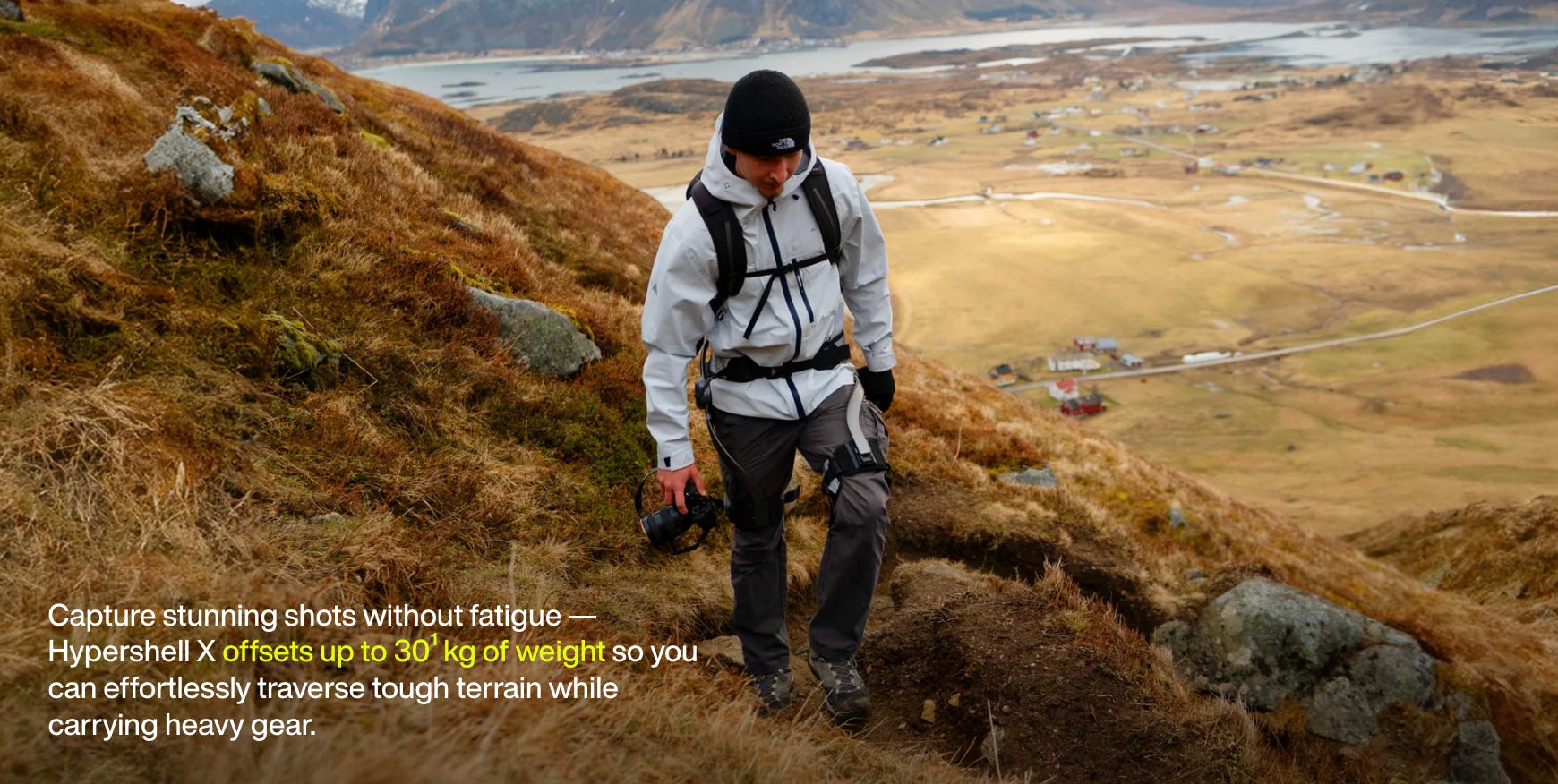
Hypershell’s Halo is a consumer exoskeleton with four motors assisting your hips and knees as you walk or carry weight. It predicts movement in 0.2 seconds and folds into a backpack with a claimed range of up to 20km.
Advertised mainly for hiking but also doubles as location-shoot equipment for anyone tired of carrying Peli case uphill.
Pre-orders are open at $2,299, shipping from late November.