
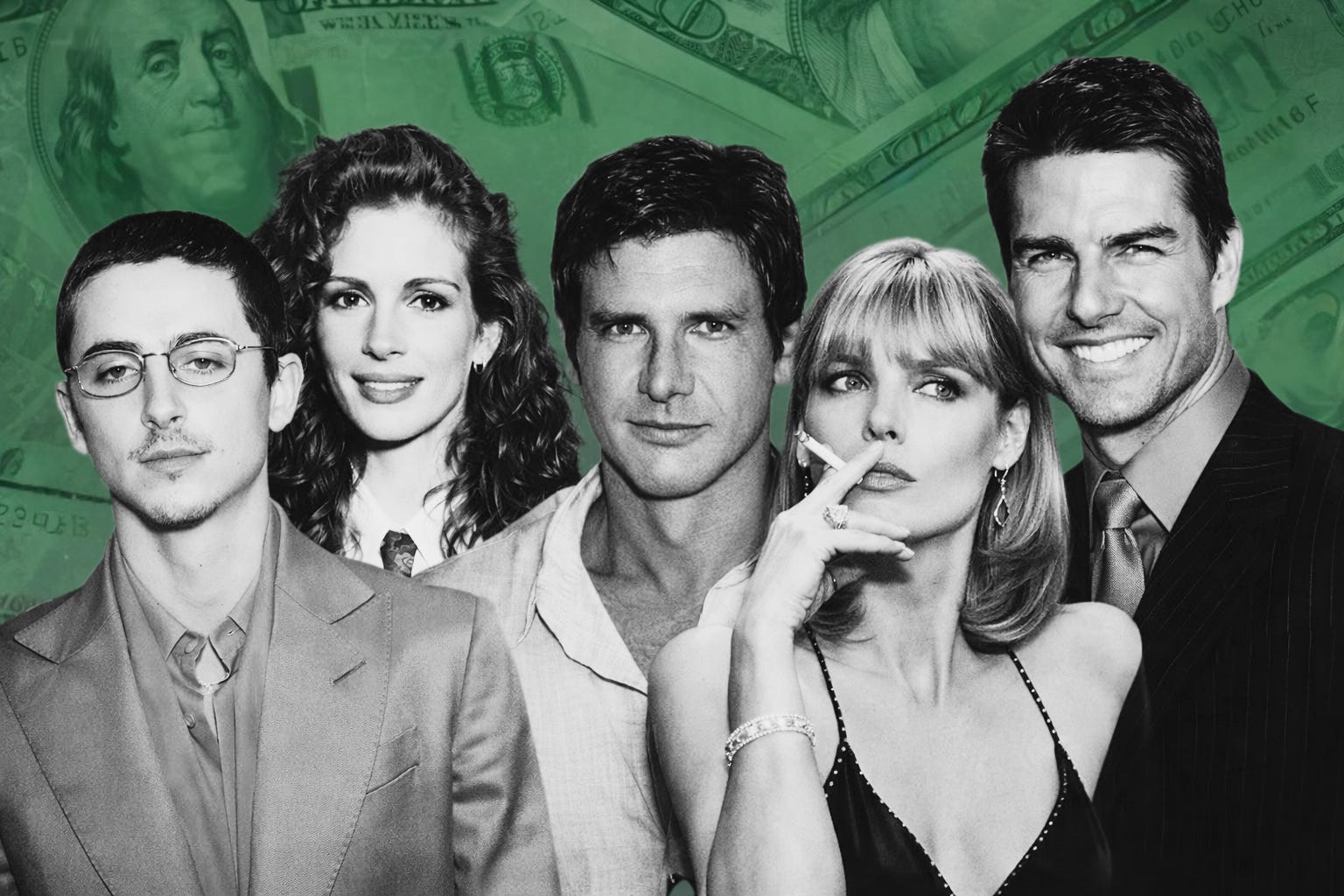
I’ve been thinking about that “holding space for Defying Gravity” moment from the Wicked press tour. The one where journalist Tracy E. Gilchrist told Cynthia Erivo she’d seen people “holding space for the lyrics of Defying Gravity” cueing Ariana Grande to hold Erivo’s finger whilst getting emotional.
It became an instant meme, detached completely from its context, reduced to internet shorthand for being performatively earnest about nothing.
The clip has tens of millions of views. But most people couldn’t tell you a single thing the cast actually said about the film in a normal interview.
That moment revealed what press tours are actually for in this era.
Studios aren’t paying hundreds of thousands to rent out the Four Seasons so actors can explain their character motivations fifty times. They’re creating conditions for chaos, for memes, for the kind of authentic weirdness that cuts through the algorithmic noise.
But there’s a growing segment of film enthusiasts actively avoiding press junkets and trailers altogether.
I’m one of them.
We’re the people optimizing for the one thing the press junket explicitly destroys: mystery. The possibility of genuine surprise. Junket interviews don’t enhance films. When was the last time a junket interview actually enhanced your experience of watching a film?
But that’s not what junkets are for. They’re not designed for film enthusiasts or cinephiles. They’re designed for the general public. The objective is pure conversion: interrupt someone doomscrolling Instagram long enough to convince them to part with $15 to come see our movie.
So how did we actually get here?
What press junkets actually were
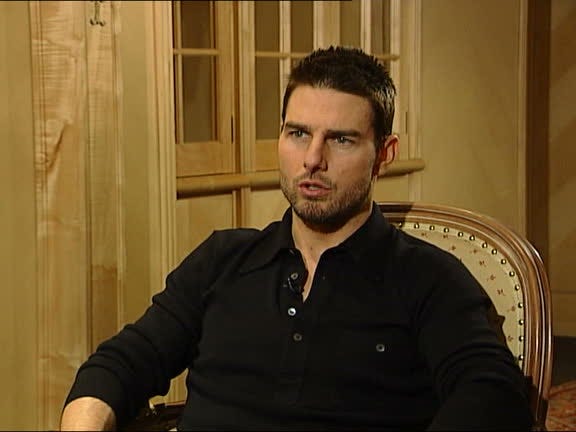
The modern press junket was born from a logistics problem: How do you get Tom Cruise to appear on local news in Chicago, London, Tokyo, and Sydney in the same week to promote our film?
Well, you didn’t.
You parked him at the Ritz Carlton and sent journalists to him.
By the ‘90s, this had solidified into rigid format. Rent a floor of a hotel, cycle 200 journalists through in four-to-six-minute intervals and extract soundbites.
But to understand how we got here, you have to go back to when Hollywood’s entire infrastructure collapsed.
The collapse creates the machine
When the 1948 Paramount consent decrees blew up the studio system, something catastrophic happened to PR. Studios had to sell off their theater chains meaning their massive publicity departments evaporated too.
By 1957, indie producers were making half of all American films. Stars needed outside representation. And they needed it fast.
This is where Warren Cowan enters the story.
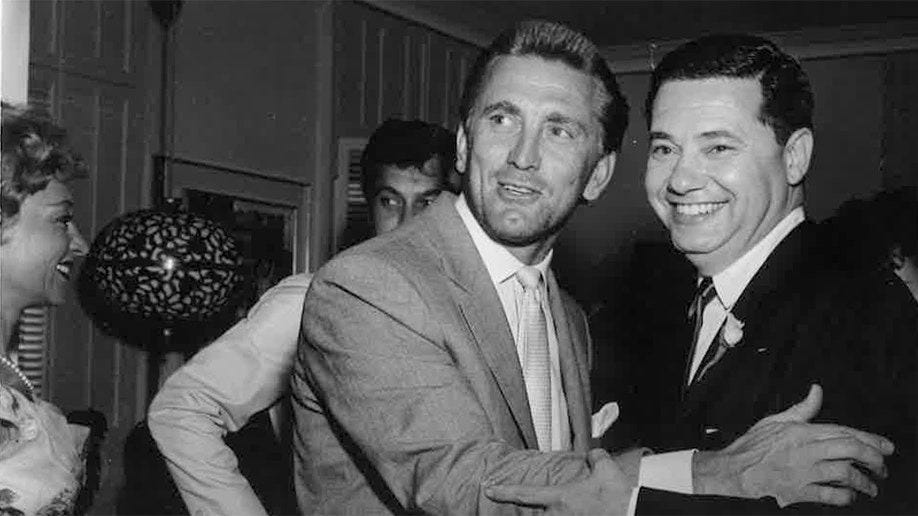
He co-founded Rogers & Cowan in 1950, in the midst of the Hollywood PR collapse and he understood that if you’re an indie publicist, you need a scalable system.
His system was the press teleconference.
It was as boring as it sounds, but essentially it was: Place star in room. Bring journalists to star, and suddenly you have your machine.
Worked like clockwork.
The Jaws junket
Universal released Jaws with a $1.8 million marketing campaign; the largest in the studio’s history. Seven months of buildup. Producers on talk shows promoting the novel. The same iconic shark logo on both paperback and film ads. Advance copies to “opinion holders”. Restaurant waiters , cab drivers, execs. Influencers before influencers became a thing.
Then came the $700,000 television blitz: two dozen 30-second spots across all three major networks the three nights before opening. They reached 43% of American households in three days.
Co-writer Carl Gottlieb:
That notion of selling a picture as an event, as a phenomenon, as a destination, was born with that release.
Jaws rewired how studios thought about promotion. You could manufacture demand. Turn a movie into an event people felt they had to experience, and this is what press junkets would service: not films, but phenomena.
Inside the machine
By the ’90s, the machine had crystallized into a monster. In both its efficiency and dehumanizing treatment of actors and press alike.
Celebs sat in separate hotel rooms. Typically at the Four Seasons; flanked by publicists, giving interviews from morning til eve. Sometimes for days. Round-tables grouped 6-10 journalists sharing 15-30 minutes. One-on-ones were shorter: Entertainment Tonight got 10 minutes, “Good Morning, Des Moines” got 4.
In one weekend, journalists at a single hotel could speak with stars from Dumb and Dumberer, Hollywood Homicide, Alex and Emma, and The Hulk. For Dumb and Dumberer, actors worked “8 a.m. to 6 p.m. straight,” returned the next morning, then flew to New York to do it all again.
Jennifer Aniston even declared “This is new, this is new, this is new” as a mantra before interviews; trying to trick her brain into thinking the 47th person asking about her character was different from the 46th.
Studios covered everything. Hotels, flights, spending allowances. Which created the ethical problem.
The Junket Whore and The Fake Critic
The term “junket whore” described journalists who attended all-expenses-paid events and provided predictably favorable coverage.
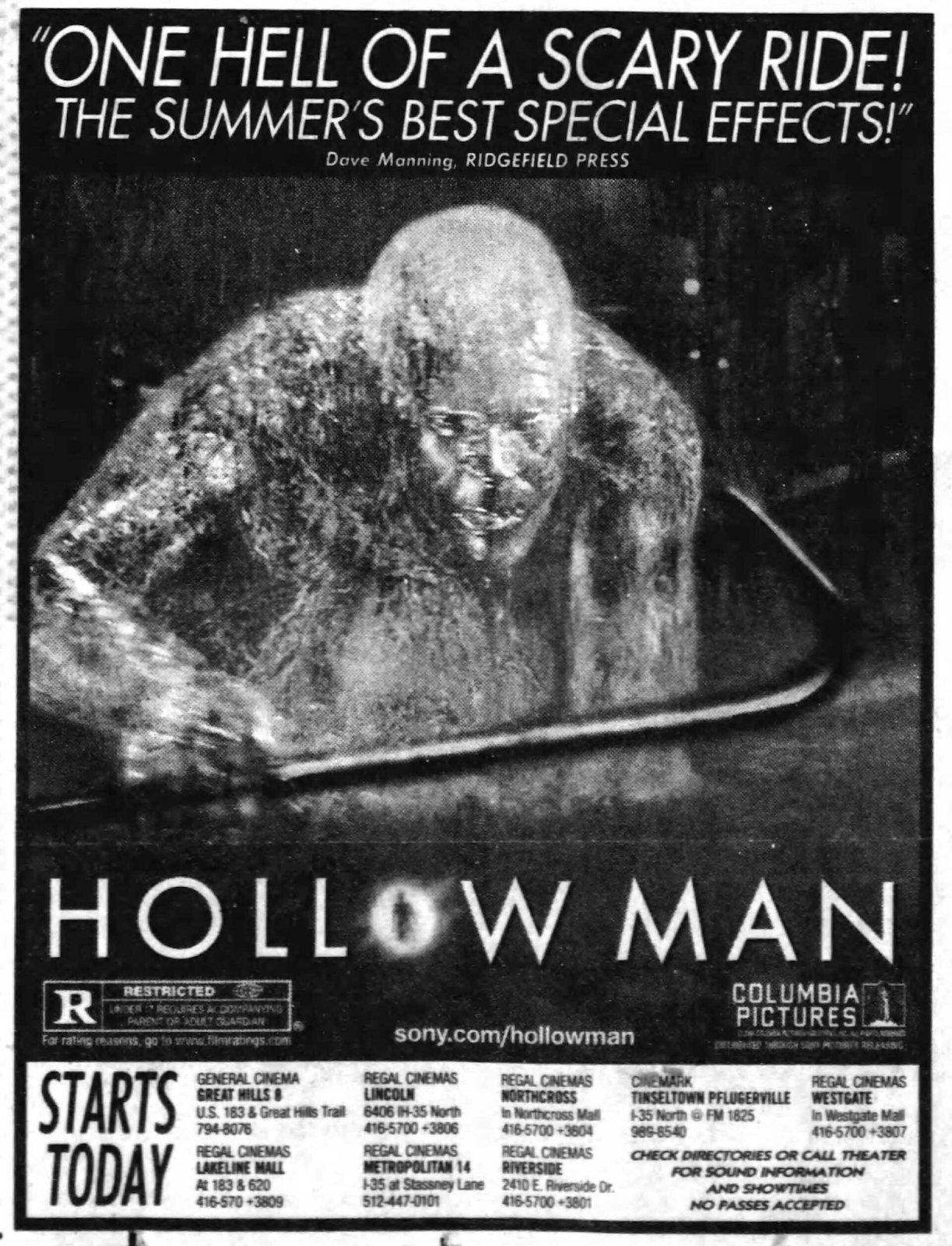
The ultimate scandal came in 2001, when Newsweek discovered Sony had invented a fictional critic named “David Manning” who created six bogus pull quotes for Columbia Pictures films. Sony had to pay $1.8 million in settlements.
Veteran LA times journalist John Horn said: “No one would ever dare to invent a fake critic again. But if you read reviews from junket journalists today, these ‘real’ reviewers still will give enthusiastic quotes for the world’s worst movies.”
Satellites changed everything
Around the mid-’80s, satellite transformed everything. The Satellite Media Tour let filmmakers conduct back-to-back remote interviews with stations nationwide from a single broadcast environment. Securing 30 or more earned TV interviews in a single day was very common.
No need to fly journalists to the hotel anymore. You could beam the star into their newsroom. By the late 90s, Electronic Press Kits (EPKs) provided B-roll footage and clips without requiring physical presence.
The hotel-room circuit became just one option among many. But it persisted because of what it delivered: the illusion of access, and the soundbite factory churning at maximum.
For decades, this worked. A $500,000 junket investment generated millions in equivalent ad value.
Then 2020 happened.
COVID crucible
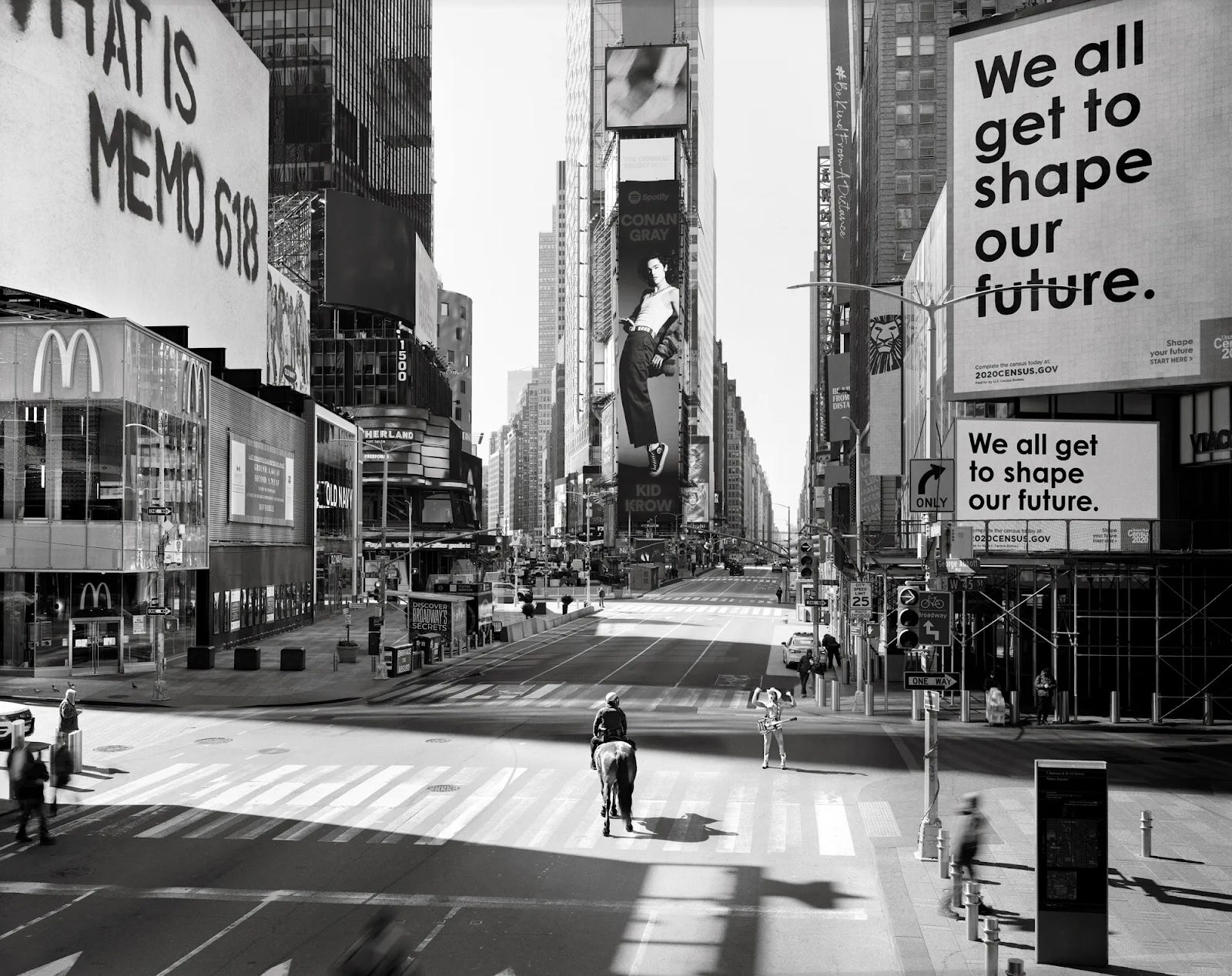
The global COVID-19 lockdown fundamentally altered how audiences relate to celebrities. We all stayed home. And we all started listening to podcasts like we were being personally mentored by strangers.
The podcast boom wasn’t new, but the pandemic supercharged it in a specific way.
Suddenly, we were forming parasocial relationships with hosts who became our substitute for actual friends. You’d wake up, make coffee, and spend an hour “hanging out” with Dax Shepard or the Smartless guys.
They didn’t know you existed, but you felt like you knew them.
This is the environment that explains why Andrew Garfield and Harris Dickinson can sit down on an A24 podcast and spend an hour talking about skating injuries like two guys who just ran into each other at the skatepark and we'll listen to every minute of it.
Podcasts and the parasocial
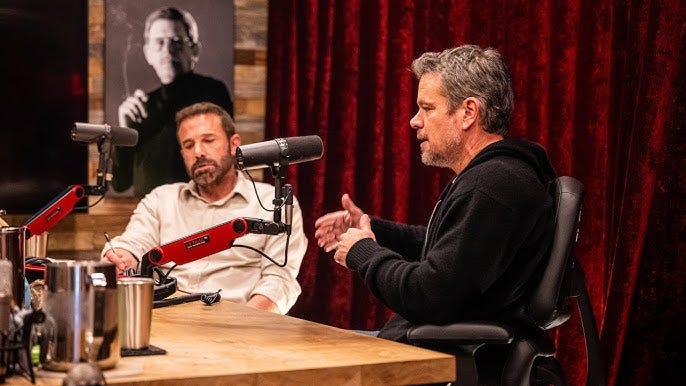
Matt Damon and Ben Affleck recently appeared on the Joe Rogan Experience podcast to promote their new Netflix thriller The Rip. One Battle After Another stars Leonardo DiCaprio and Benicio Del Toro showed up on Travis Kelce’s New Heights podcast. Timothée Chalamet sat down with Theo Von for A Complete Unknown.
A single Joe Rogan episode can sometimes draw more viewers than a month of Jimmy Kimmel. The old link between podcasts and talk shows; where podcasts were seen as supplementary to “real” media, has completely dissolved.
Now late-night shows are legacy infrastructure for older demographics who still watch linear TV. For everyone else, they’re just a place to harvest 90-second clips, and you can now get better clips elsewhere.
Podcasts are the new junket circuit.
A-listers cycle through the likes of Rogan, Hot Ones, and Smartless the same way they once cycled through hotel rooms at the Four Seasons. It’s the same machine, just a different platform.
Except the machine can now also run in reverse.
When the junket makes the actress

In the old model, you became famous or you had a film to promote, then you did junkets. The junket existed to serve the already-established star or film.
But now, the junket or its modern equivalent, can also create the star.
Podcaster, actress and professional provocateur Dasha Nekrasova is perhaps the most fascinating case study of this. She co-hosts Red Scare, a controversial, politically unclassifiable podcast that gained a devoted following in the late 2010s. The show made her notorious in a specific online subculture. The kind of notoriety that traditional Hollywood gatekeepers would have dismissed as irrelevant.
Except it wasn’t irrelevant.
The podcast platform with its terminally online audience, its cultural cachet and notoriety, gave Nekrasova the legitimacy to make The Scary of Sixty-First, her directorial debut. A cult hit and winner of best first feature at Berlinale 2021. That led to an acting role in Succession. Which led to a role in Bertrand Bonello’s The Beast opposite Léa Seydoux.
There’s no world where Dasha manages to have a film career without the podcast. Not even a Bizarro world.
The podcast was her junket.
But instead of using it to promote films she’d already made, she used it to build the audience that would let her make films in the first place.
This would have been impossible in Warren Cowan’s era. The traditional path was: get discovered, become an actor, then get sent on the promotional circuit. The new path is: build an audience anywhere, convert that attention into opportunities, then leverage those opportunities into legitimacy.
The gatekeepers still exist, but there are now multiple gates.
YouTube essayists become documentarians. TikTok creators get cast in studio films. Podcast hosts direct features.
The fractured media landscape is changing who gets to make films just as much as how we promote them.
Please like and share if you enjoying reading this week’s newsletter :)