
Also this week:
Roku launched an AI TV channel, Hollywood signs peace deal with ByteDance, Coyote vs. Acme finally gets theatrical and 85-year-old Miyazaki comes to work every day but nobody knows what he’s making.
Render Reel
ByteDance and Hollywood make peace over AI video. ByteDance sign deal with Motion Picture Association strengthening copyright protections across AI video and image tools.
AI shrinks microdrama cost to $60K. Microdramas are now reportedly taking only three to four weeks from start to finish at a price of $60K compared to a previous high of $300K.
Tubi releases 13,000+ hours of halloween horror Their original features and creator exclusives will launch across five international markets at once. Tubi is clearly treating free ad-supported horror more than seasonal novelty now.
Dedicated 24/7 AI-generated channel launches on Roku Fairground AI will mix AI shorts with AI commercials and the most interesting thing is that there’s literally 0 human oversight in terms of what airs.
Coyote vs. Acme is finally in theatres. A film that spent years in limbo before Ketchup Entertainment picked it up, finally gets its cinema release. The New Yorker describes it as a fast, funny throwback, but the story around its release is more interesting. The closing credits thank “everyone who posted, shared, held up signs, and spoke out when it counted.” For a movie about a coyote taking a corporation to court, being rescued from corporate shelving by public pressure feels almost too neat.
Avid bins bin-locking
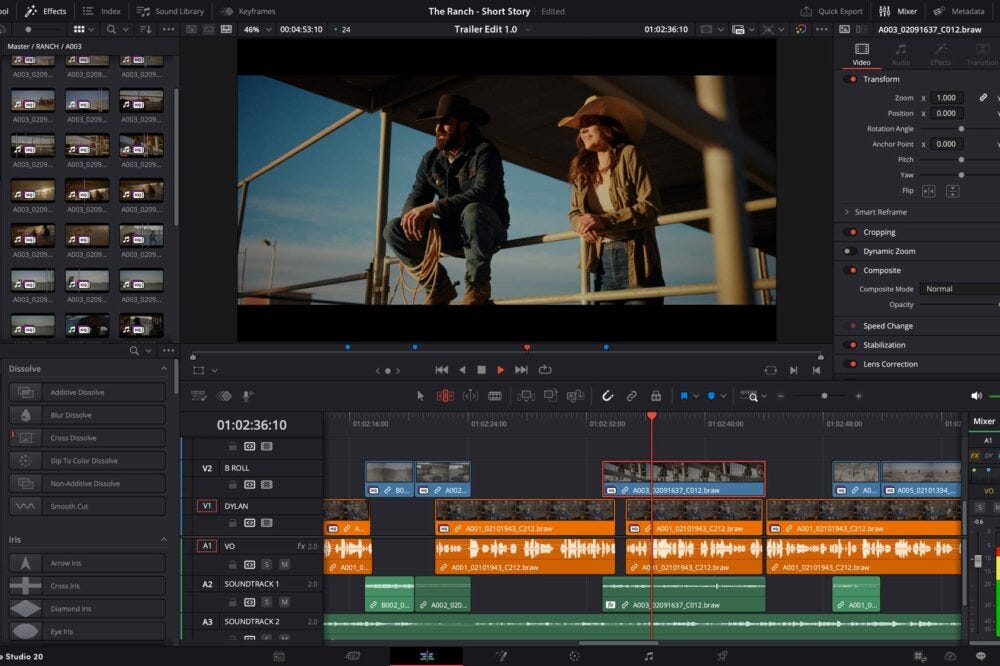
For many years, Avid’s stronghold on the editing world was about prestige and collaboration.
Several editors and assistants could work within the same project without stepping on each other’s changes and a big part of that workflow was down to its bin-locking feature. Boring stuff but kept shared workflows from descending into chaos.
If you were wondering why many post houses still use Avid, bin-locking was a major reason why.
But thanks to the launch of Media Composer 2026.8, that feature comes with a catch.
Bin locking on the Ultimate tier only works with Avid’s own NEXIS storage so companies using third-party storage will have to move up to the more expensive Enterprise tier to keep using a workflow they already had.
You’ve now got two choices. Either you buy into Avid’s storage ecosystem, or pay more for the software.
The sharpest critics so far are the team behind Mimiq, the third-party tool that lets Media Composer users get Avid-style bin locking. They describe the change as a walled garden disguised as a licensing update, arguing that it squeezes precisely the wrong customers.
Smaller companies certainly won’t welcome another jump in extra software costs, while larger teams with expensive storage infrastructure have little reason to replace perfectly good hardware just to satisfy a licence requirement.
The update does leave companies like Blackmagic in an interesting position.
DaVinci Resolve already offers collaboration without locking users into a proprietary storage stack. Avid’s premium once bought more than prestige through workflow discipline and reliability, but changes like this make the value gap much harder to defend.
Even Stubio Ghibli staff don’t know what Miyazaki’s working on The Boy and the Heron was released nearly 3 years ago but no new project has been announced. At 85 years old, Miyazaki still comes to the studio daily but nobody knows what he’s working on right now.
The DJI ban expands to robots and more cameras. The US crackdown is expanding beyond drones into gimbals and robotic devices, while new tariffs from September 3 could add 25% to 100% in duties.
YouTube changes what a “view” means. From August 24, a view will count the exact moment a video starts playing. Videos will have bigger public numbers but less actual engagement, and more pressure to optimize for clicks.
Blockbuster rebuilt by former employee, expands nationwide. Free Blockbuster started with a single blue-and-yellow dispenser in LA in 2019 but now has dozens of locations across North America. Blockbuster’s trademark owners don’t care which might be the smartest brand decision anyone has made with that trademark in twenty years.
LA’s cinema revival extends well past the Cinerama Dome. The Bruin in Westwood and multiple venues in the long-dormant Downtown Theatre District are being eyed for reopening. Even a film student who spent seven years campaigning for the Dome landed a job helping reopen the Bruin himself.
Ottawa’s pioneering IMAX theatre may not survive long enough to show The Odyssey at true scale . The Canadian Museum of History’s screen has been running since ‘89 and was one of IMAX’s earliest adopters but faces an uncertain future just as Nolan’s IMAX-native epic hands the format its biggest cultural moment in years.
This week we’re watching:
Indie developer Grow Now! Games created a custom engine that renders 3D objects using ASCII characters, then used it to build a walkable cyberpunk city.
Housed in a single HTML file using JavaScript and Canvas, it calculates perspective, depth, collisions, and hidden surfaces in real time.
We hope he turns the prototype into a game we can all play.
Retail Therapy: The gacha camera
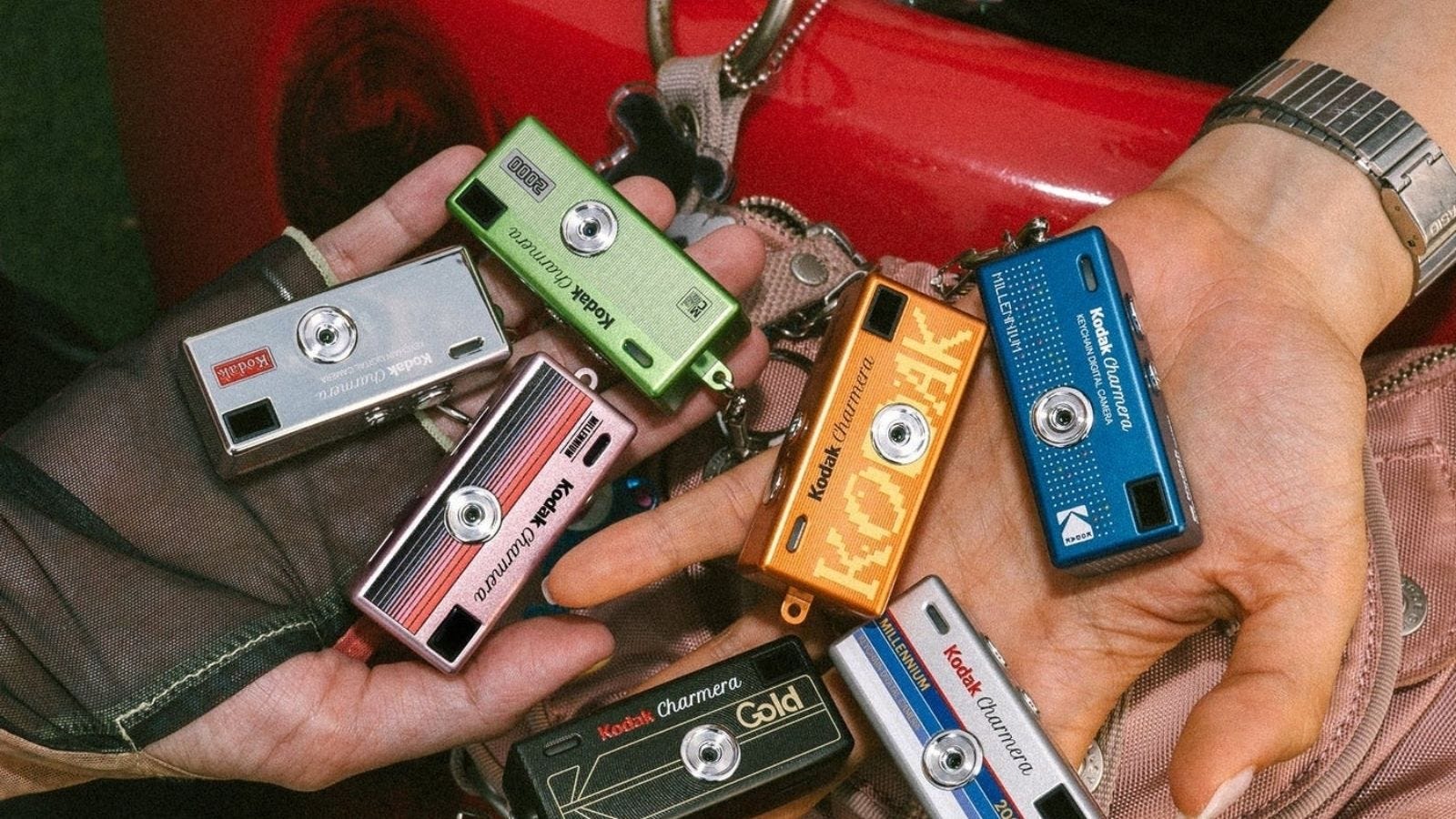
Kodak has turned the camera into a blind box.
The Charmera - a Millennium is a 30-gram keychain digital camera sold gacha-style. Each box holds one of seven randomly assigned Y2K designs and a full set of six boxes guarantees no repeats which tells you this is aimed at collectors first and photographers a close second.
It is a real camera, though. Featuring 1440 x 1080 stills and 30fps AVI video plus a date stamp for maximum 2001.
Kodak spent a century selling people film they hadn’t shot yet and now it’s selling them cameras they haven’t seen yet
Find out more here.